

Blog
TL;DR
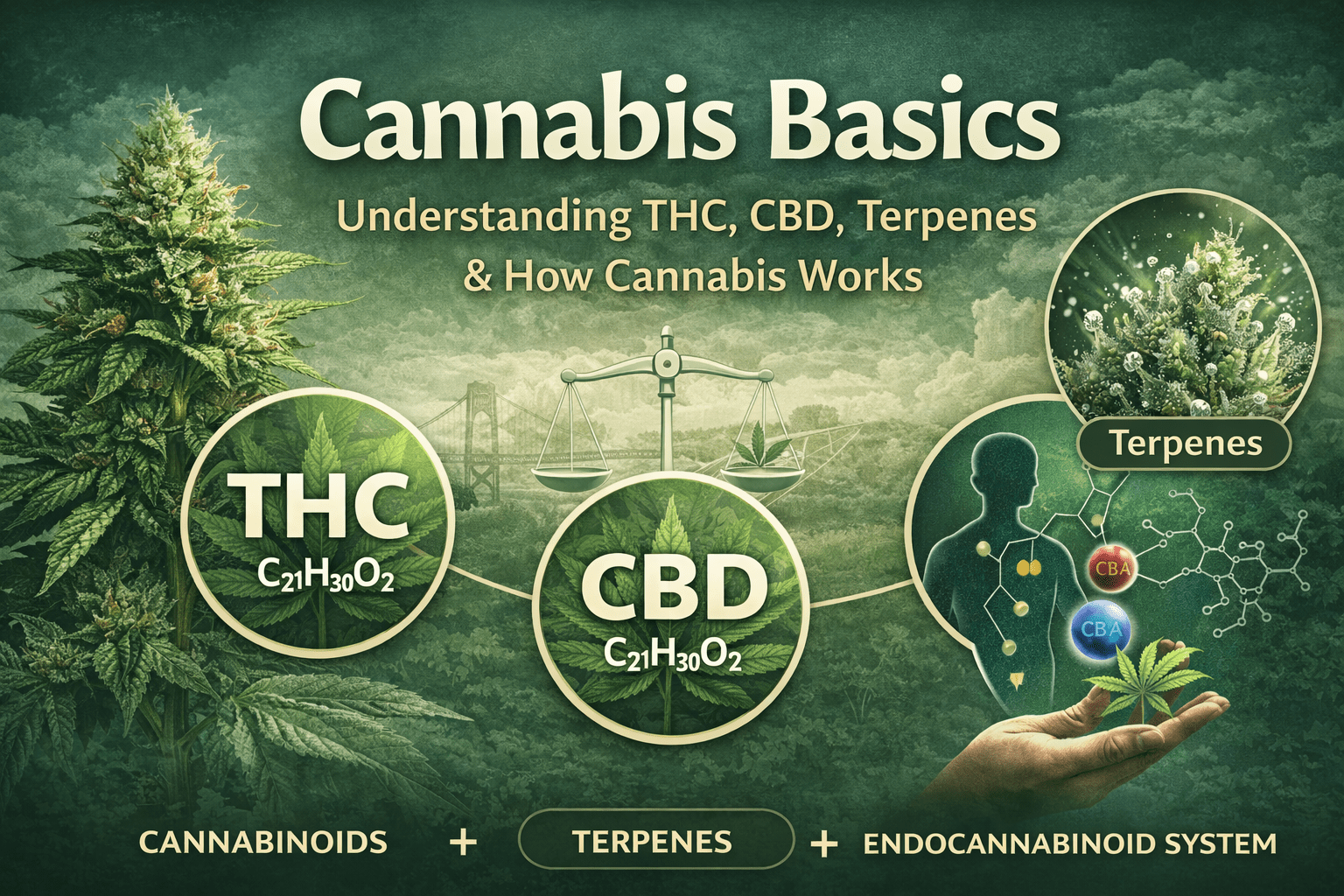
Cannabis is a plant containing active compounds called cannabinoids, including THC and CBD. THC produces intoxicating effects, while CBD is non-intoxicating. These compounds interact with the body’s endocannabinoid system, influencing mood, sleep, appetite, and pain perception. Terpenes shape aroma and may influence effects. Understanding cannabis basics helps consumers make informed, responsible decisions before buying cannabis products online in halifax NS.
Cannabis Basics: THC, CBD, Terpenes & How Cannabis Works
Cannabis is one of the most researched and misunderstood plants in the world. Some people associate it only with THC. Others focus on CBD. Many have heard of terpenes but do not know how they interact with the body.
To understand cannabis properly, you need to understand its chemistry, biology, and how it interacts with human physiology.
What Is Cannabis?
Cannabis is a flowering plant in the Cannabaceae family. The primary species are:
-
Cannabis ruderalis
Modern commercial strains are typically hybrids of these genetic lines.
Cannabis produces biologically active compounds called phytocannabinoids, along with terpenes and flavonoids. These compounds interact with the human endocannabinoid system.
According to Health Canada, cannabis contains more than 100 cannabinoids, though THC and CBD are the most studied and commercially recognized (Health Canada, Cannabis Overview).
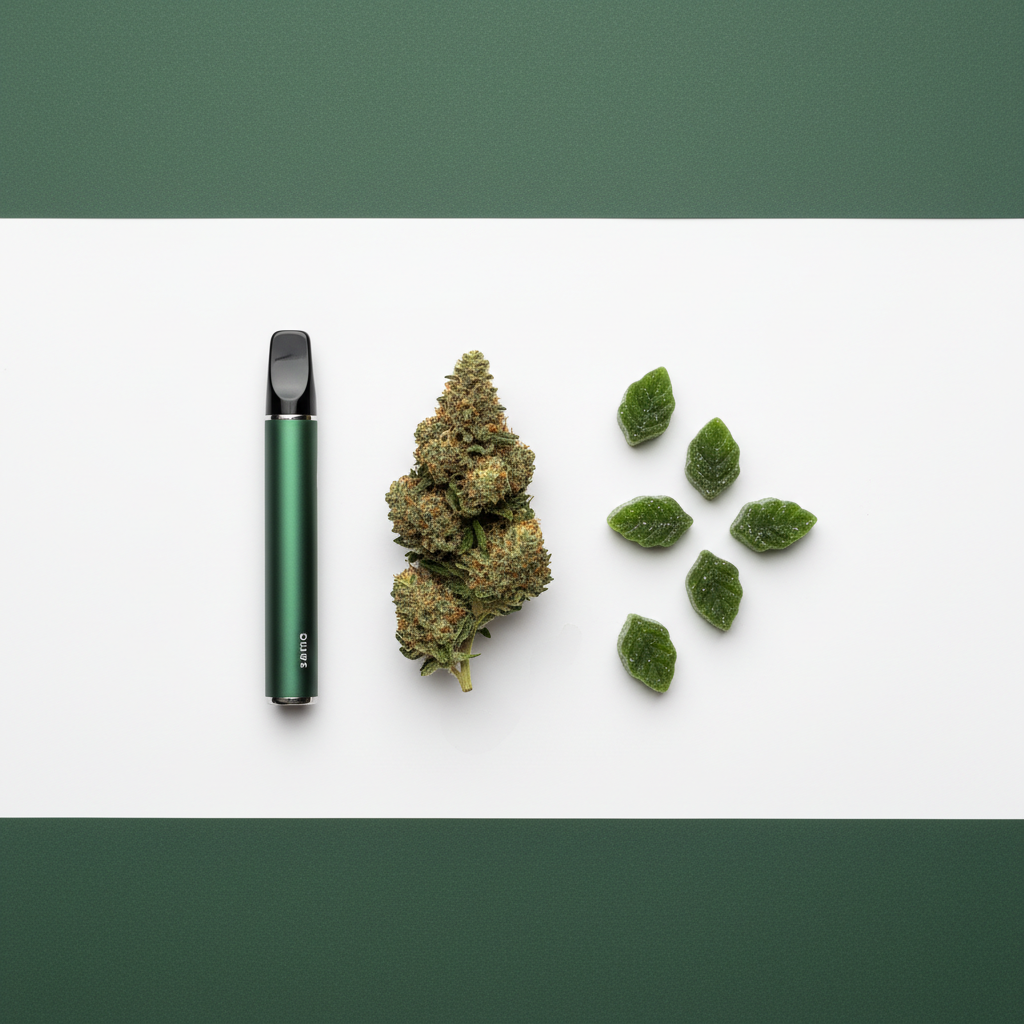
Cannabis can be used in different forms:
-
Concentrates
-
Topicals
THC vs CBD at a Glance
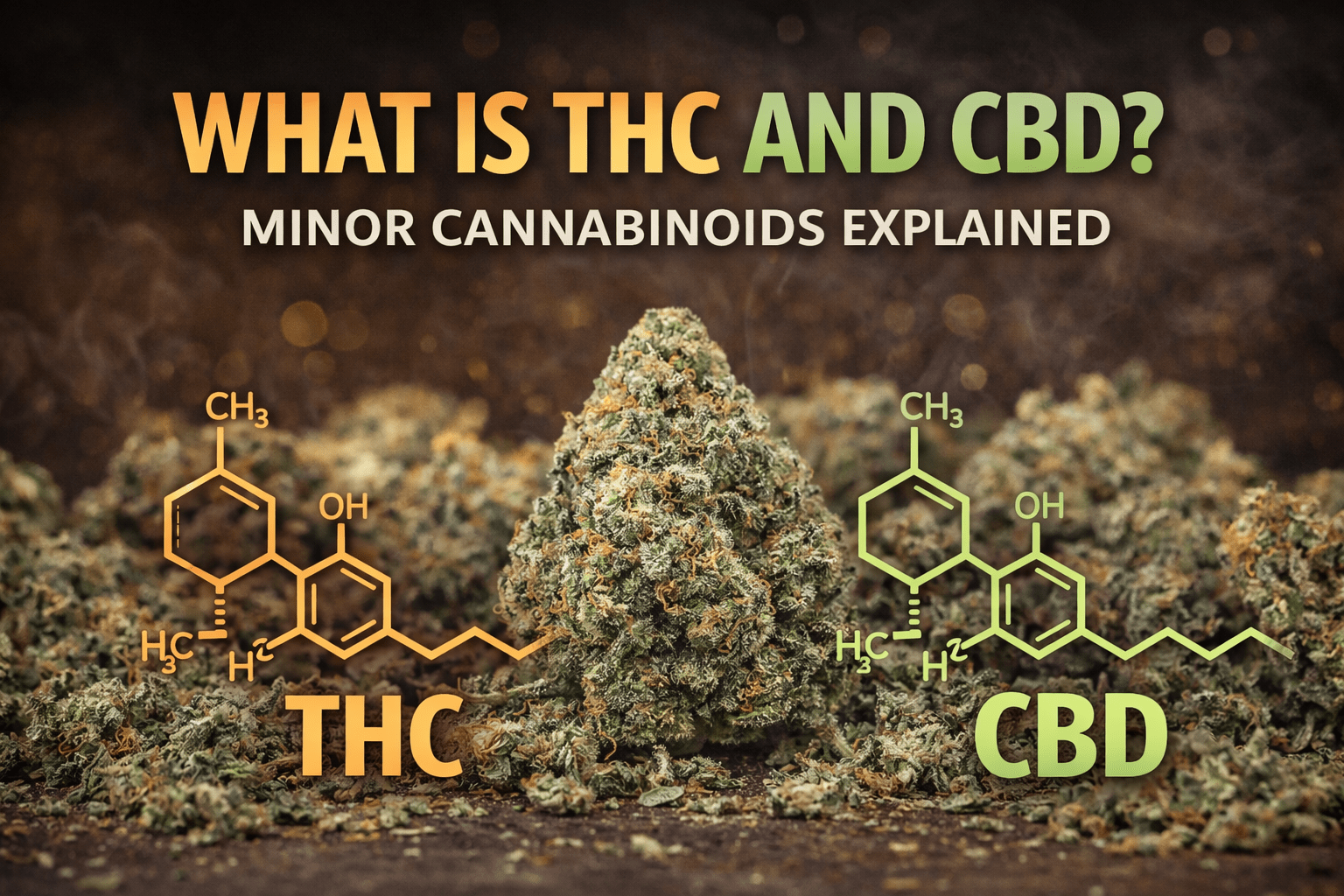
THC and CBD are two of the most common cannabinoids found in cannabis, but they produce different effects.
| Attribute | THC | CBD |
|---|---|---|
| Full name | Delta-9-tetrahydrocannabinol | Cannabidiol |
| Intoxicating | Yes | No |
| Produces a cannabis high | Yes | No |
| Can affect the brain and body | Yes | Yes |
| Common product profiles | THC-dominant or combined with CBD | CBD-dominant or combined with THC |
| Shown on Canadian cannabis labels | Yes | Yes |
THC is primarily responsible for cannabis intoxication. CBD does not produce the characteristic cannabis high, although it can still affect the brain and body.
A cannabis product can contain mostly THC, mostly CBD or different amounts of both cannabinoids.
What Is THC?
THC stands for delta-9-tetrahydrocannabinol.
THC is the primary psychoactive cannabinoid in cannabis. It binds primarily to CB1 receptors in the brain. “THC is the cannabinoid responsible for the intoxicating effects commonly associated with cannabis.
How THC Works
THC → binds to CB1 receptors → alters neurotransmitter release → produces psychoactive effects
Effects may include:
-
Euphoria
-
Altered perception
-
Appetite stimulation
-
Pain modulation
The National Institute on Drug Abuse confirms that THC produces psychoactive effects by activating cannabinoid receptors in the brain that influence mood, memory, coordination, and reward pathways (NIDA, Marijuana Research Report).
THC potency varies widely depending on:
-
Strain genetics
-
Cultivation method
-
Extraction process
-
Product type
What Is CBD?
CBD stands for cannabidiol.
Unlike THC, CBD is non-intoxicating. It does not produce a “high.”
How CBD Works
CBD interacts indirectly with the endocannabinoid system. It does not bind strongly to CB1 receptors like THC. Instead, it modulates receptor activity and influences enzymes involved in endocannabinoid regulation.
Research suggests CBD may support:
-
Anxiety regulation
-
Inflammation response
-
Seizure reduction
-
Sleep balance
The World Health Organization states that CBD exhibits no effects indicative of abuse or dependence potential in humans (WHO Critical Review Report on Cannabidiol).
CBD is widely used in:
-
Oils
-
Capsules
-
Gummies
-
Topicals
In Canada, CBD products must be purchased through licensed retailers under federal regulations.
What Are Terpenes?
Terpenes are aromatic compounds found in many plants, including cannabis.
They influence:
-
Smell
-
Flavor
-
Perceived effects
Common Cannabis Terpenes
- Myrcene
Often associated with relaxing effects. - Limonene
Citrus aroma. Often linked to mood elevation. - Pinene
Pine scent. Studied for potential cognitive support. - Linalool
Floral aroma. Often associated with calming effects.
Research published in Frontiers in Neurology discusses how terpenes may contribute to the “entourage effect,” where cannabinoids and terpenes work synergistically.
Terpenes do not intoxicate. They modify how cannabinoids feel.
What Is the Endocannabinoid System?
The endocannabinoid system is a biological regulatory system found in humans and other mammals.
It helps maintain homeostasis across multiple physiological processes.
“The endocannabinoid system helps regulate balance in the body, and cannabinoids interact with this system.”
ECS Components
-
Endocannabinoids
Anandamide and 2-AG are produced naturally in the body. -
Cannabinoid Receptors
CB1 receptors → primarily in the brain
CB2 receptors → primarily in immune tissues -
Enzymes
Responsible for breaking down cannabinoids.
According to research published in the Journal of Clinical Investigation, the ECS plays a role in regulating:
-
Pain
-
Appetite
-
Immune response
-
Mood
-
Sleep
Cannabis phytocannabinoids mimic or influence this natural system. NIH – Endocannabinoid System overview
Peer-reviewed ECS research
Cannabis Plant Anatomy
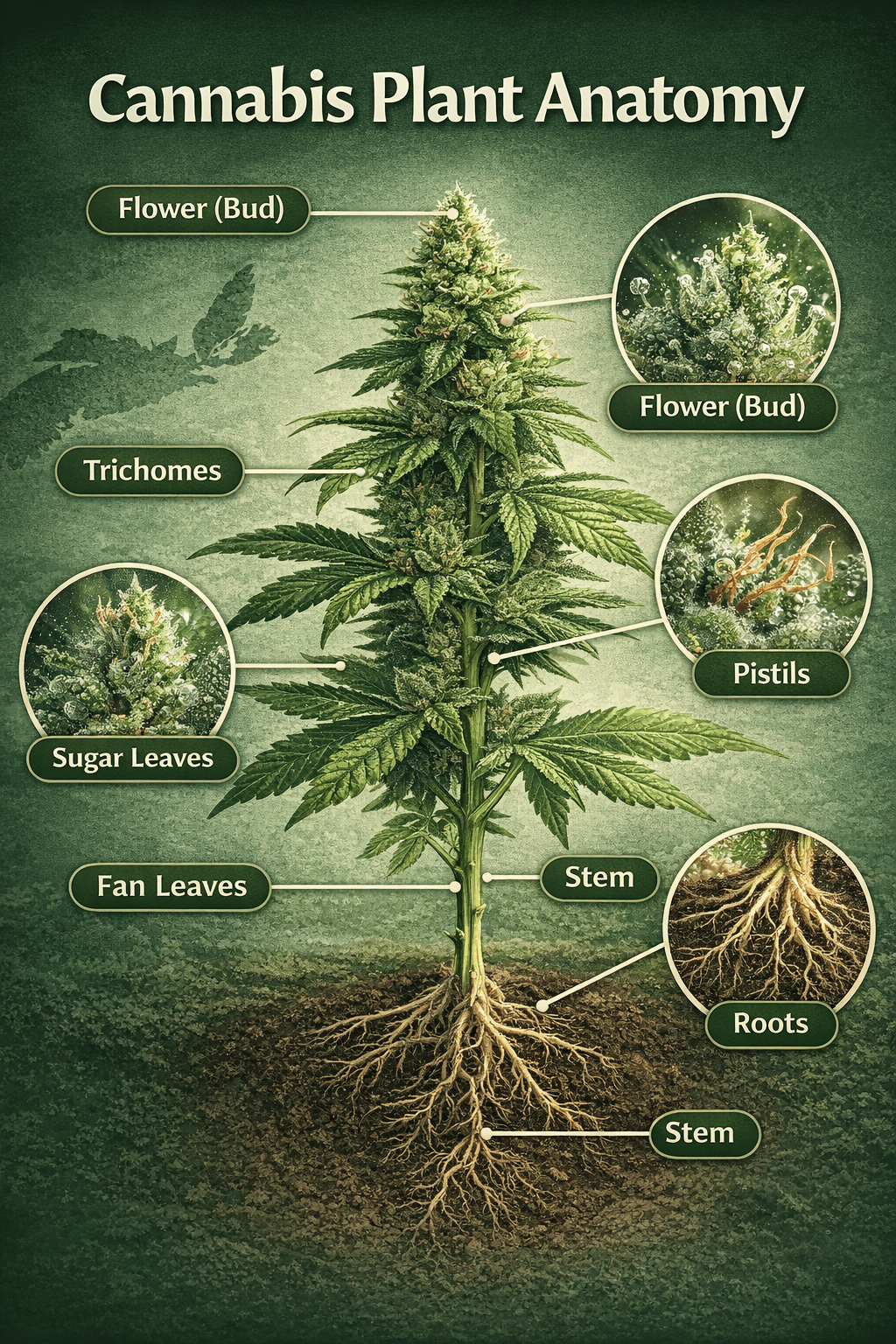
Understanding the plant itself improves consumer literacy.
Key components:
1. Flower (Bud)
Contains highest cannabinoid concentration.
2. Trichomes
Microscopic resin glands producing cannabinoids and terpenes.
3. Pistils
Hair-like reproductive structures.
4. Fan Leaves
Photosynthesis support.
5. Sugar Leaves
Small leaves coated in trichomes.
6. Stem & Roots
Structural support and nutrient transport.
Understanding the plant itself improves consumer literacy. Lear more about cannabis terms here.
What Types of Cannabis Products Are Available?
Cannabis products differ in cannabinoid concentration, formulation and how they are consumed.
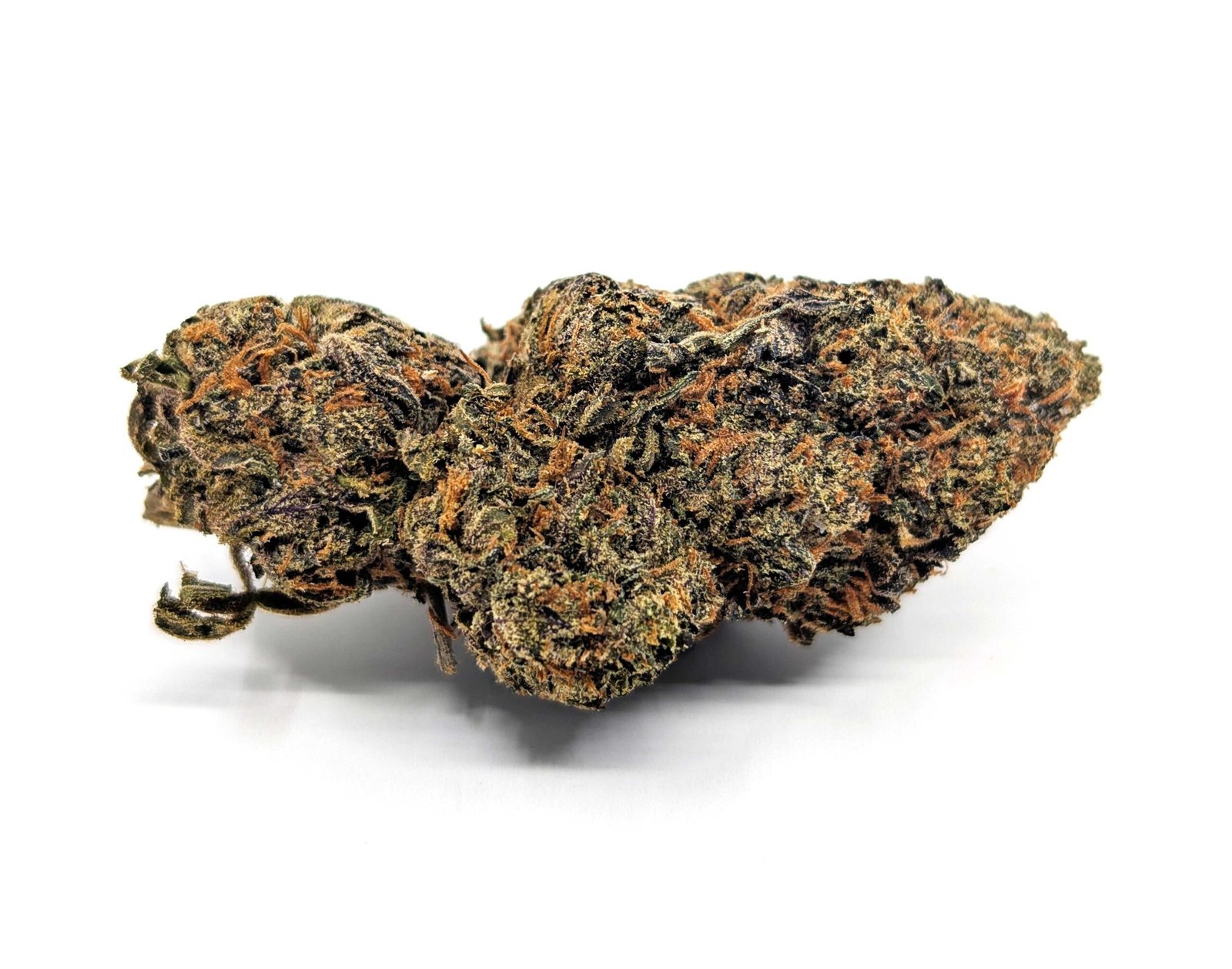
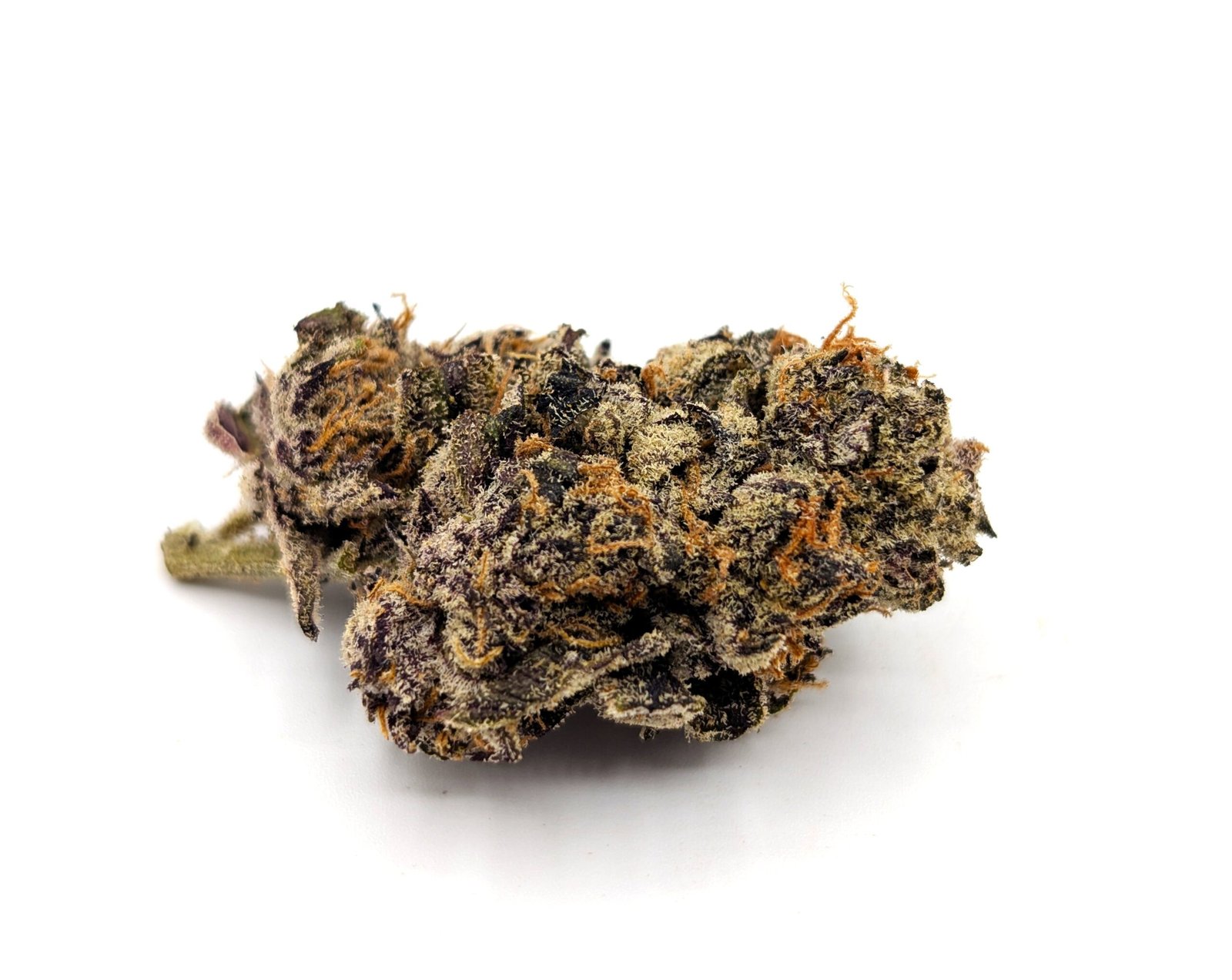
Dried Cannabis Flower
Dried flower contains cannabinoids and terpenes produced by the cannabis plant. It is commonly smoked or vaporized.
THC and CBD concentrations in dried cannabis are generally displayed on Canadian labels in mg/g, and consumers may also see an equivalent percentage.
Pre-Rolls
Pre-rolls contain dried cannabis that has already been rolled for smoking.
Like dried flower, their effects depend on factors such as THC and CBD concentration, the amount consumed and individual response.
Cannabis Edibles
Edibles are foods or beverages containing cannabis. Gummies, chocolates and cannabis beverages are common examples.
Edibles have a delayed onset compared with inhaled cannabis. This delay makes cannabinoid amount and waiting time particularly important.
Cannabis Oils
Cannabis oils can contain THC, CBD or both. Cannabinoid concentration may be expressed in measurements such as milligrams per millilitre.
How an oil is used affects how quickly cannabinoids are absorbed.
Cannabis Extracts and Concentrates
Hash, kief, shatter, wax, distillate and other extracts can contain much higher THC concentrations than many dried cannabis products.
Higher THC exposure can increase impairment and the likelihood of adverse effects.
Cannabis Vapes
Cannabis vape products heat a cannabis extract or formulation to create an aerosol that is inhaled.
Inhaled cannabis generally produces effects much faster than cannabis that is eaten or swallowed.
How Long Does Cannabis Take to Work?
How quickly cannabis takes effect depends heavily on how it is consumed.
| Consumption method | Effects may begin | Full effects |
|---|---|---|
| Smoking or vaping | Seconds to minutes | Up to about 30 minutes |
| Eating or drinking cannabis | 30 minutes to 2 hours | Up to 4 hours |
This difference matters when deciding whether to consume more.
Someone using an edible may not feel its full effects immediately. Taking another serving too soon can result in more THC being consumed than intended before the first serving reaches its full effect.
Inhaled cannabis works faster because cannabinoids are absorbed through the lungs into the bloodstream. Ingested cannabis must pass through the digestive system before its effects are fully experienced.
How Long Do Cannabis Effects Last?
Cannabis duration varies according to the product, amount consumed, cannabinoid content and individual response.
Effects from inhaled cannabis can last for several hours. Effects from ingested cannabis can last considerably longer, and some residual effects can continue after the main effects have subsided.
The duration and intensity of cannabis effects can be influenced by:
- THC and CBD content
- amount consumed
- method of consumption
- frequency of cannabis use
- individual sensitivity
- food and other substances consumed
- individual metabolism
This variability is one reason one person’s experience with a product should not be treated as a prediction of another person’s experience.
What Does Cannabis Potency Mean?
Cannabis potency generally refers to the concentration or amount of cannabinoids in a product, particularly THC.
For dried cannabis, THC may be shown in milligrams per gram (mg/g). A value of 100 mg/g is approximately equivalent to 10% THC.
Different formats use different measurements.
| Product | Common cannabinoid measurement |
|---|---|
| Dried flower | mg/g or % |
| Edibles | mg per package or unit |
| Oils | mg/mL |
| Capsules | mg per unit |
| Extracts | mg/g or % |
| Oral sprays | mg per activation |
Potency should not be confused with product quality.
A cannabis product containing more THC is a higher-THC product, but the THC number alone does not establish whether it is a better product or whether someone will prefer its effects.
Higher THC exposure can also increase impairment and the risk of unwanted effects.
What Do THC Ratios Mean?
A THC ratio compares the relative amounts of THC and CBD in a cannabis product.
A product may be:
- THC-dominant: substantially more THC than CBD
- CBD-dominant: substantially more CBD than THC
- Balanced: similar amounts of THC and CBD
- 1:1: approximately equal proportions of THC and CBD
A ratio does not tell you the total amount of either cannabinoid.
For example, two products can both have a 1:1 THC ratio while containing very different quantities of THC and CBD.
Check the actual cannabinoid values on the label rather than using the ratio alone to estimate potency.
How to Read THC and CBD on a Cannabis Label
Canadian cannabis labels display Total THC and Total CBD so consumers can compare cannabinoid content between products.
The way those values are displayed depends on the product.
For example, dried cannabis may show cannabinoid concentration in mg/g, while an edible may display milligrams of THC or CBD per unit or package.
A Canadian cannabis label can also contain:
- the standardized cannabis symbol when required
- product and brand name
- excise stamp when required
- THC and CBD amounts
- health warning
- ingredients where applicable
- allergen information where applicable
- lot information
- packaging date
The Total THC and Total CBD values are particularly useful when comparing products.
Product names, strain names and descriptions such as “indica” or “sativa” should not replace checking the actual cannabinoid content.
Compliance Note (Canada & Nova Scotia)
In Canada, cannabis is federally regulated under the Cannabis Act.
Health Canada limits edible cannabis products to:
-
Maximum 10 mg THC per package
-
Strict labeling and packaging requirements
-
Child-resistant packaging
-
Health warnings
Reputed retailers such as Greenstarhalifax & thesmokebomb sell quality premium cannabis products online and deliver weed.
-
Legal age is 19
-
Public possession limit is 30 grams
-
Retail sales must comply with provincial and federal laws
Always purchase from authorized retailers to ensure product testing for:
-
Potency accuracy
-
Pesticides
-
Microbial contamination
What Determines How Cannabis Feels?
Cannabis effects are influenced by more than a strain name or THC percentage.
Important variables include:
Cannabinoid profile: The amounts and proportions of THC, CBD and other cannabinoids differ between products.
Amount consumed: Total cannabinoid exposure changes with the quantity used.
Product format: Smoking, vaping and ingestion deliver cannabinoids differently.
Onset: Inhaled and ingested cannabis reach their full effects on different timelines.
Individual response: Cannabis can affect different people differently, and a person’s response can also change between occasions.
Frequency of use: Previous and repeated exposure can affect how a person responds to THC.
Other substances: Combining cannabis with alcohol or other intoxicating substances can increase impairment.
This is why two products with similar THC concentrations do not necessarily produce identical experiences.
Indica vs Sativa vs Hybrid: What Do These Terms Tell You?
Indica, sativa and hybrid are commonly used cannabis categories, but these labels alone do not reliably tell you exactly how a product will affect you.
Modern commercial cannabis includes extensive crossbreeding, and products sold under the same broad category can have different cannabinoid and terpene profiles.
Instead of using indica or sativa as the only selection criterion, compare measurable product attributes such as:
- Total THC
- Total CBD
- THC ratio
- product format
- cannabinoid concentration
- terpene information when available
These details provide more specific information about the product than a broad category name alone.
Do Terpenes Determine Cannabis Effects?
Terpenes contribute to the aroma and flavour of cannabis, but a terpene name alone should not be treated as a reliable prediction of how a cannabis product will make someone feel.
Cannabis can contain terpenes such as myrcene, limonene, pinene and linalool. The type and amount vary between products.
Researchers continue to study whether and how terpenes interact with cannabinoids and contribute to cannabis effects.
Claims that a particular terpene will always produce relaxation, energy, focus or another specific effect go beyond what a terpene name alone can establish.
Terpene information is therefore most useful as part of a broader product profile alongside THC, CBD, product format and individual response.
What Are the Short-Term Effects of THC?
THC can produce both desired and unwanted effects.
Possible immediate effects include:
- euphoria or feeling high
- relaxation
- altered sensory perception
- increased appetite
- impaired attention
- impaired memory
- slower reaction time
- impaired coordination
- dizziness
- dry mouth
- increased heart rate
- anxiety
- panic or paranoia
- drowsiness
Effects vary according to THC exposure and individual response.
The same product can also affect the same person differently on different occasions.
How Can Cannabis Consumers Reduce Risk?
People who choose to consume cannabis can reduce some risks by paying attention to THC content, amount consumed and timing.
Health Canada recommends a start low, go slow approach.
For edible cannabis, lower-risk guidance recommends looking for products containing 2.5 mg THC or less and waiting for the effects before consuming more.
For smoked or vaporized cannabis, Health Canada recommends starting with one or two puffs of a product containing 10% THC (100 mg/g) or less, then waiting before consuming more.
Other risk-reduction measures include avoiding driving while impaired, avoiding mixing cannabis with alcohol, securely storing cannabis away from children and pets, and using legal products with clearly labelled cannabinoid content.
Common Cannabis Misconceptions
“More THC Means Better Cannabis”
Higher THC means a greater concentration of THC. It does not establish overall product quality.
“CBD Has No Effects”
CBD is non-intoxicating, but it can still affect the brain and body.
“CBD Products Are Always THC-Free”
A CBD-focused product can contain THC. Check Total THC and Total CBD on the label.
“Indica Always Makes You Sleepy and Sativa Always Gives You Energy”
These categories do not reliably predict an individual’s response. Cannabinoid content, product composition, amount consumed and individual response provide additional context.
“Terpenes Tell You Exactly How a Strain Will Feel”
Terpenes contribute to cannabis aroma and flavour, but specific effects cannot be reliably predicted from a terpene name alone.
“Edibles Should Work Immediately”
Ingested cannabis can take 30 minutes to 2 hours to begin producing effects and up to 4 hours to reach its full effects.
Cannabis Basics FAQ
What Are the Main Active Compounds in Cannabis?
Cannabis contains cannabinoids, terpenes and other compounds. THC and CBD are two of its most common cannabinoids.
What Is the Main Difference Between THC and CBD?
THC is intoxicating and produces the characteristic cannabis high. CBD is not intoxicating, although it can still affect the brain and body.
What Is the Endocannabinoid System?
The endocannabinoid system is a biological signalling system involving endocannabinoids, cannabinoid receptors and enzymes. Cannabinoids from cannabis can interact with or influence this system.
What Does THC Percentage Mean?
THC percentage describes THC concentration. For dried cannabis, 10% THC is approximately equivalent to 100 mg/g.
Is Higher THC Better?
Not necessarily. Higher THC means greater THC concentration, not greater product quality. Higher THC exposure can also increase impairment and the likelihood of unwanted effects.
What Does a 1:1 Cannabis Product Mean?
A 1:1 THC product contains approximately equal proportions of THC and CBD. The ratio does not indicate the total amount of either cannabinoid.
How Quickly Does Cannabis Work?
Smoking or vaping can produce effects within seconds to minutes. Eating or drinking cannabis generally takes longer, with effects beginning within about 30 minutes to 2 hours and full effects potentially taking up to 4 hours.
Are CBD Products Intoxicating?
CBD itself does not produce the characteristic cannabis high. A CBD product can still contain some THC, so its cannabinoid label should be checked.
Do Indica and Sativa Predict Cannabis Effects?
Not reliably on their own. THC, CBD, other product characteristics, amount consumed and individual response provide more specific information.
How Do I Compare Two Cannabis Products?
Compare Total THC, Total CBD, cannabinoid concentration, product format and amount per unit or serving. Terpene information can provide information about aroma and flavour, but should not be used as the sole predictor of effects.