
Blog
Not sure whether to choose cannabis flower, a vape, an edible or an oil?
The right cannabis format depends less on whether a product is called “indica,” “sativa,” “premium” or “strong” and more on measurable attributes such as THC amount, CBD amount, route of administration, onset time, duration and your previous experience with cannabis.
Different cannabis products deliver cannabinoids to the body differently.
That changes:
- how quickly effects begin
- how long effects can last
- how easily someone can judge additional consumption
- whether smoke or vapour is inhaled
- how concentrated the THC may be
- the risk of accidentally consuming too much
There is no single cannabis format that is best for everybody.
A better framework is:
Product format → route of administration → onset and duration → THC/CBD exposure → individual response
This guide compares the major cannabis formats so adults can understand those differences before choosing whether to consume cannabis.
Important: Cannabis use carries health and impairment risks. The lowest-risk choice is not to use cannabis. This article provides general education and harm-reduction information, not medical advice.
Cannabis Products at a Glance
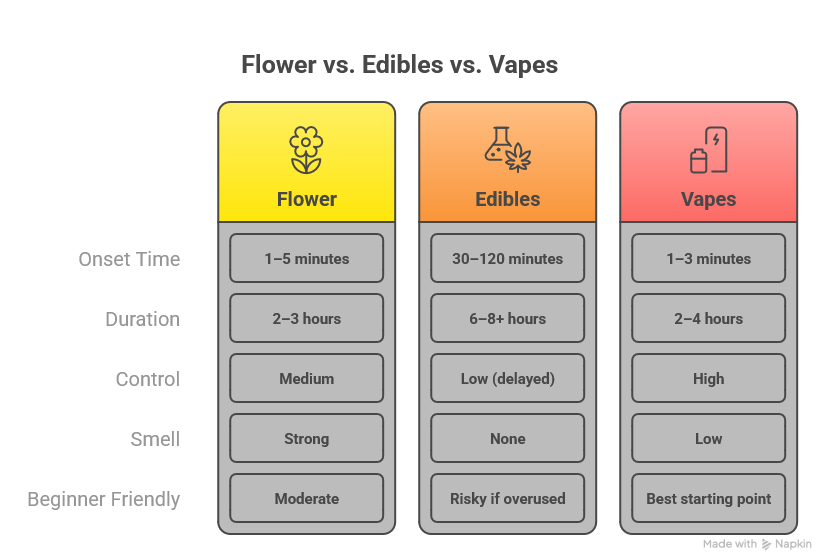
| Product | Route | When Effects May Begin | Typical Duration | Main Consideration |
|---|---|---|---|---|
| Dried flower | Inhaled | Seconds to minutes | Several hours | Smoke exposure |
| Cannabis vape | Inhaled | Seconds to minutes | Several hours | Vapour and device-related risks |
| Edible cannabis | Swallowed | 30 min–2 hours | Several hours | Delayed effects and overconsumption risk |
| Cannabis beverage | Swallowed | Usually delayed | Several hours | Delayed effects vary by formulation |
| Cannabis oil/capsule | Usually swallowed | Delayed | Longer-lasting | Dose and route depend on product |
| Sublingual product | Mouth/under tongue | Usually between inhaled and swallowed products | Can be prolonged | Administration method matters |
| Cannabis extract | Varies | Depends on method | Depends on method | Often high THC concentration |
| Topical cannabis | Applied externally | Product-dependent | Product-dependent | Usually intended for localized application |
The exact timing varies by product, dose and individual.
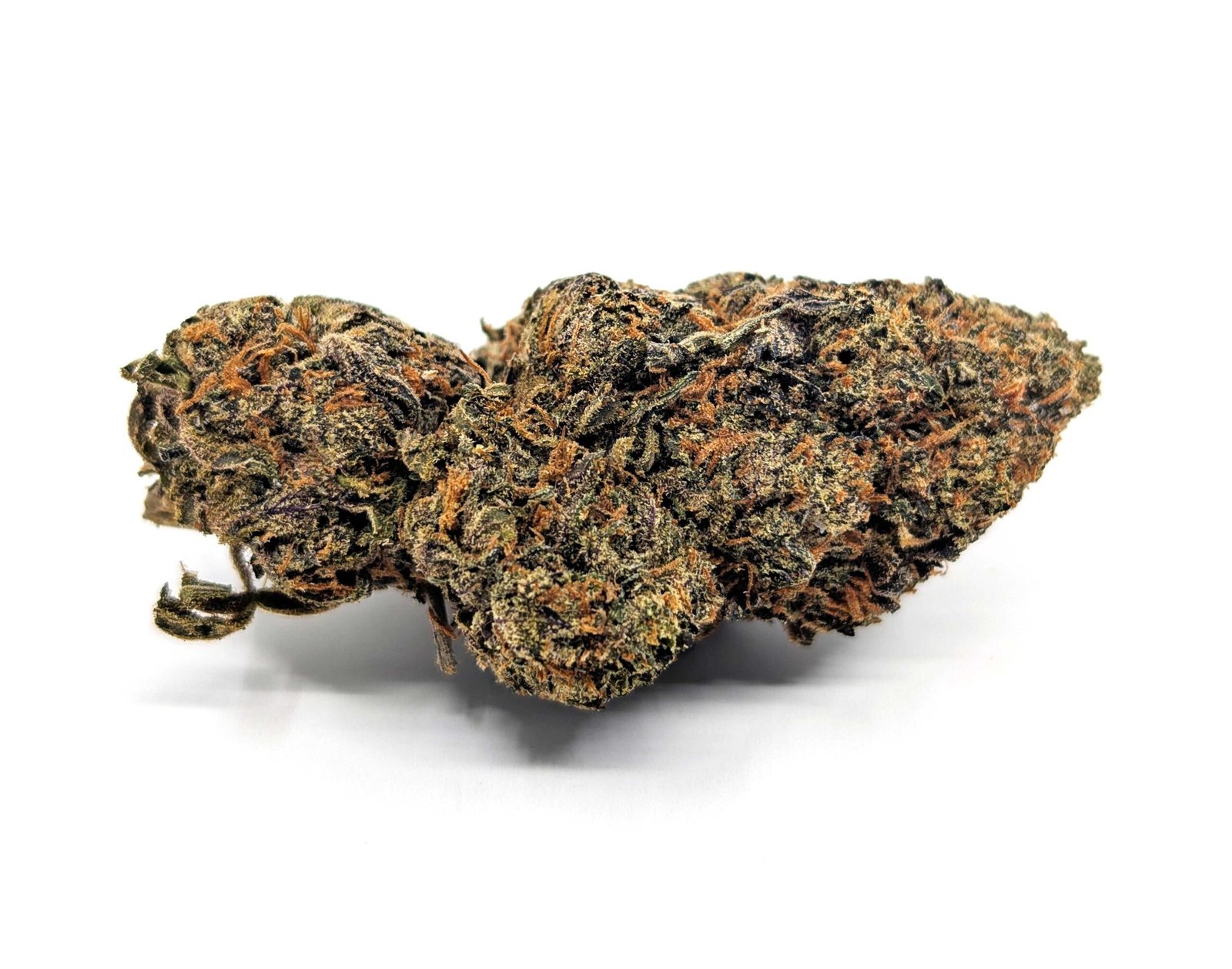
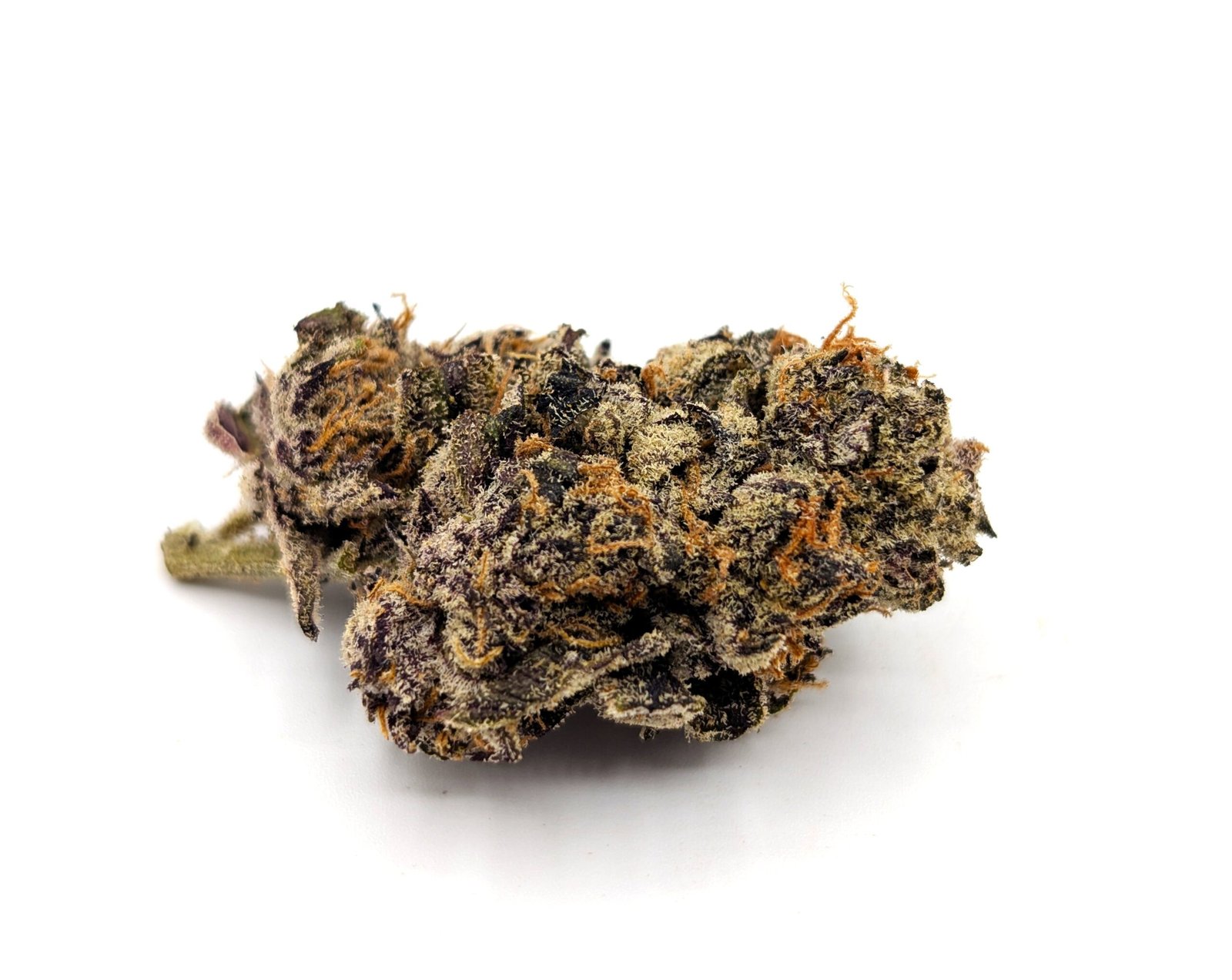
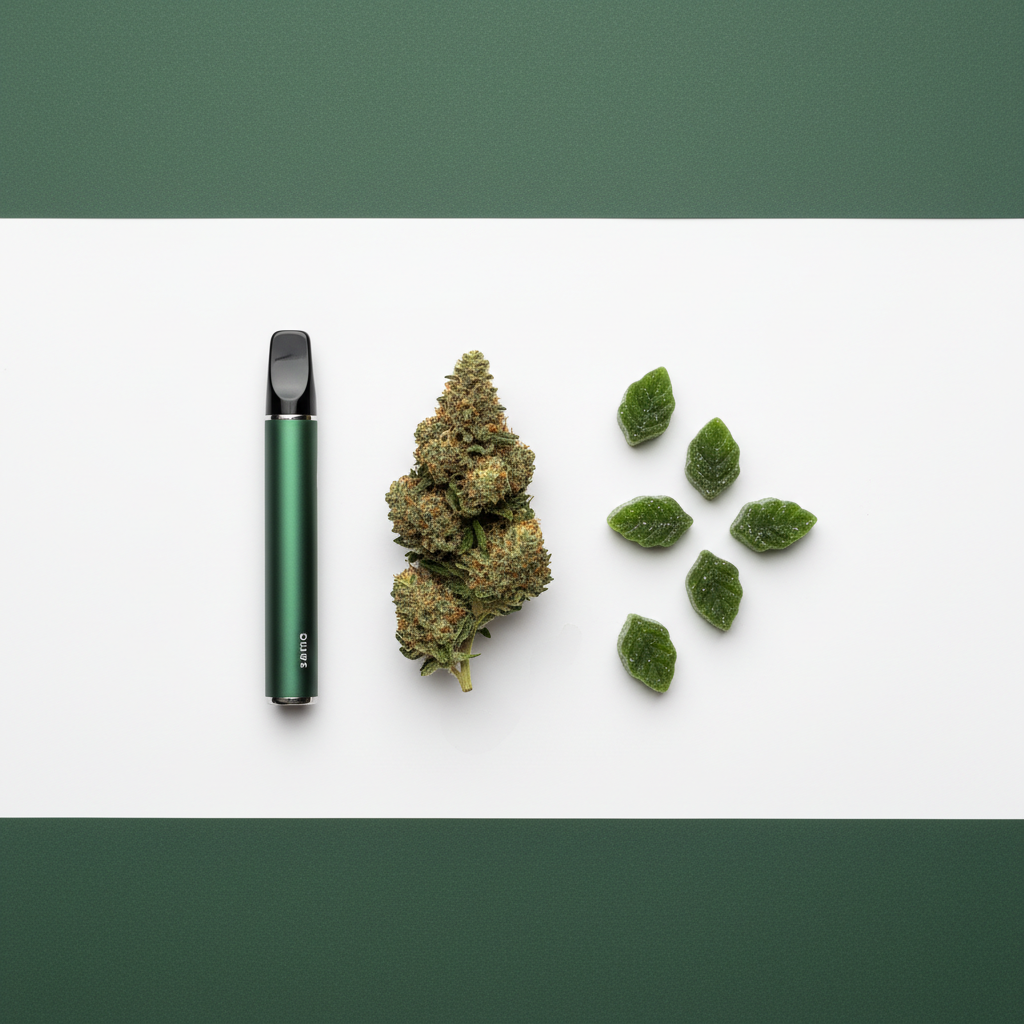
Cannabis Flowers:
👉 If you’re exploring options, check out premium flower selections available in Halifax to compare strains and potency levels.
Edibles:
Browse low-dose edibles designed for beginners if you want a controlled entry point.
Vapes:
Explore vape cartridges & vape pens/tips online in Halifax NS available for quick, controlled effects.
There is no “best” cannabis product.
There is only the right product for your situation.
Once you understand how each type behaves, choosing becomes simple and you can easily buy them online at one of the best weed store online in Halifax.
Start With the Most Important Question: Do You Want to Inhale Cannabis?
This is one of the clearest ways to narrow the options.
Cannabis flower and most vape products are inhaled.
Edibles, capsules and many oils do not require inhalation.
That distinction changes both onset and risk profile.
Inhaled cannabis
When cannabis is smoked or vaped, cannabinoids move through the lungs into the bloodstream.
Effects can begin within seconds to minutes.
The strongest effects may take approximately 10 to 30 minutes to appear.
Ingested cannabis
When cannabis is swallowed, it moves through the digestive system before cannabinoids reach circulation.
Effects may begin within approximately 30 minutes to 2 hours, and the full effects can take as long as 4 hours.
That delayed timeline is one of the most important differences between an edible and a joint or vape.
Cannabis Flower: Fast Onset but Smoke Exposure
What is cannabis flower?
Cannabis flower is the dried flowering material of the cannabis plant.
It can be consumed using products such as:
- joints
- pre-rolls
- pipes
- water pipes
When flower is burned, THC, CBD and other compounds are released into smoke and inhaled.
How quickly does cannabis flower work?
Effects from inhaled cannabis can begin within seconds or minutes.
That relatively fast onset gives a consumer quicker feedback than a swallowed edible.
However, the full effects from inhalation do not necessarily occur immediately. Additional consumption before the effects have fully developed can increase the chance of unwanted effects.
What are the disadvantages of smoking flower?
The major distinction is combustion.
Burning cannabis produces smoke.
Cannabis smoke contains harmful chemicals, including many of the same harmful and cancer-causing substances found in tobacco smoke.
Smoking should therefore not be described as a harmless or “natural” way to consume cannabis simply because flower is plant material.
Flower may be relevant when:
- a person already understands inhaled cannabis
- fast onset is an important product attribute
- avoiding delayed edible effects is important
Flower may be less suitable when:
- someone wants to avoid smoke
- respiratory exposure is a concern
- precise cannabinoid intake is important
- the product has very high THC
The THC and CBD numbers on the label provide more useful information than whether flower is simply marketed as strong or premium.
Cannabis Vapes: Fast Onset Without Combustion, but Not Risk-Free
What is a cannabis vape?
A cannabis vape heats cannabis material or extract so that an aerosol can be inhaled without burning traditional dried flower.
Products can include:
- vape cartridges
- disposable vape devices
- dry-herb vaporizers
- extract vaporizers
Does vaping work faster than edibles?
Generally, yes.
Vaped cannabis is inhaled, so effects can begin within seconds or minutes.
That gives vaping and smoking a much faster onset than products that are swallowed.
Is vaping cannabis safer than smoking it?
Vaping avoids combustion and therefore avoids some smoke-related exposures.
That does not make cannabis vaping harmless.
Cannabis vapour can still contain potentially harmful substances, and the long-term effects of vaping are not completely understood.
Hardware also introduces additional considerations involving:
- heating elements
- cartridge materials
- batteries
- device temperature
- contaminants
- product compatibility
Only use vaping equipment according to its manufacturer instructions.
Does every vape puff provide a predictable dose?
No.
The old version of this article claimed that each vape puff provides a predictable dose.
That is too broad.
Actual cannabinoid exposure from a puff can vary according to:
- THC concentration
- device power
- coil design
- puff duration
- inhalation depth
- cartridge formulation
- temperature
- individual technique
A vape may allow a person to stop inhaling once effects begin, but that is different from delivering a precisely measured dose with every puff.
Vapes may be relevant when:
- fast onset is important
- smoke combustion is being avoided
- the consumer understands the device and product
Vapes may be less suitable when:
- inhalation is undesirable
- a person has respiratory concerns
- the product contains very high THC
- the hardware is damaged or from an unknown source
Vaping should not automatically be promoted as the “best beginner option.”
Cannabis Edibles: Delayed Onset and Longer-Lasting Effects
What are cannabis edibles?
Edibles are foods or beverages containing cannabinoids such as THC or CBD.
Examples include:
- gummies
- chocolates
- baked products
- beverages
Unlike smoking or vaping, edible cannabis is swallowed.
That produces a very different timeline.
How long do cannabis edibles take to work?
Edible effects may begin approximately 30 minutes to 2 hours after consumption.
However, it can take up to 4 hours to experience the full effects.
This matters because one of the major risks associated with edibles is consuming more because the first serving does not appear to be working.
A common sequence is:
Edible consumed → effects are delayed → more THC is consumed → first and second doses overlap → excessive intoxication
Waiting only 60 or 90 minutes does not guarantee that the first dose has fully taken effect.
Why can edible THC feel different?
When THC is swallowed, it passes through the digestive system and liver.
The body produces a psychoactive metabolite called 11-hydroxy-THC.
This different route of administration contributes to the different timing and experience associated with edible cannabis.
That does not mean an edible is automatically “stronger” than smoked cannabis.
The actual effect depends on:
- THC dose
- CBD content
- product formulation
- food in the stomach
- metabolism
- previous cannabis exposure
- individual sensitivity
A 2.5 mg edible and a 10 mg edible should not be treated as equivalent simply because both are gummies.
How much THC should a new or occasional consumer consider?
Health Canada’s lower-risk guidance recommends that people who choose to consume edible cannabis and want to minimize risk look for products containing 2.5 mg THC or less.
After consuming an edible, allow enough time for the full effects to develop before considering additional cannabis.
For edible THC:
Low initial THC → wait for the full effect → avoid dose stacking
is safer than:
Take more because nothing happened after an hour.
Are edibles good for sleep?
A cannabis edible should not automatically be selected as a sleep product.
THC can cause drowsiness in some people, but cannabis can also produce adverse effects such as anxiety, rapid heartbeat, confusion or disrupted cognition.
Sleep problems can also have many causes.
Someone considering cannabis to manage a medical symptom, including persistent insomnia, should discuss that goal with a qualified healthcare professional.
Choose cannabis based on evidence and product characteristics rather than assuming:
edible = sleep aid.
Cannabis Oils and Capsules: Pay Attention to How They Are Used
“Cannabis oil” can describe products intended for different administration methods.
Some are swallowed.
Some are delivered under the tongue.
Some are contained inside capsules or softgels.
That distinction affects onset.
Swallowed oils and capsules
If swallowed, they behave more like other ingested cannabis products.
Effects are delayed because cannabinoids pass through the digestive system.
Sublingual or oral-mucosal products
Products designed to remain under the tongue or against tissues in the mouth may have a different onset from products that are immediately swallowed.
Always use the product according to its label.
Do not assume that every bottle labelled “cannabis oil” follows exactly the same timeline.
Cannabis Concentrates: THC Concentration Matters
Cannabis concentrates can include products such as:
- hash
- kief
- wax
- shatter
- distillate
- resin products
- other extracts
Many concentrates contain substantially more THC than lower-potency dried cannabis.
Higher THC exposure increases the likelihood of greater impairment and certain adverse effects.
For new or occasional consumers, a high-potency concentrate can therefore introduce additional risk.
The relationship is:
Higher THC concentration → potentially greater THC exposure → greater potential impairment and adverse effects
Potency is not a measure of product quality.
A product with more THC is simply more concentrated in THC.
THC vs CBD: Look at Both Numbers
Product format is only half of the decision.
The other major attribute is cannabinoid content.
THC
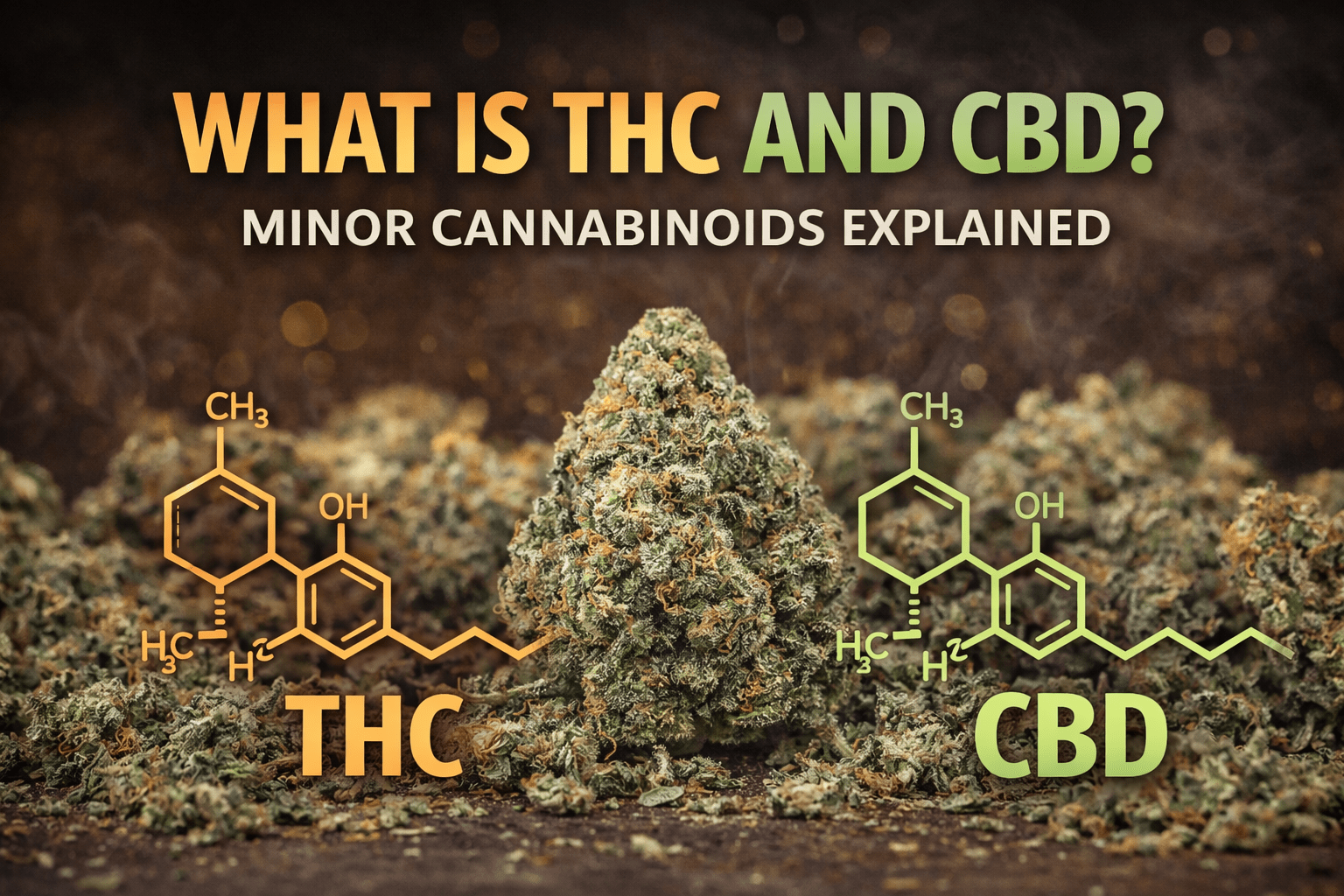
THC is the principal intoxicating cannabinoid in cannabis.
It can affect:
- coordination
- attention
- reaction time
- memory
- perception
- judgment
Higher THC generally increases the potential for impairment and unwanted effects.
CBD
CBD does not produce the typical THC high.
However, CBD is biologically active and is not automatically free of side effects or drug interactions.
A product’s THC relationship therefore provides more useful information than the product name alone.
Does “Indica,” “Sativa” or “Hybrid” Tell You Which Product to Choose?
These labels can describe cannabis categories used by growers, retailers and consumers, but they should not replace measurable product information.
For practical product selection, compare:
- THC concentration
- CBD concentration
- product format
- route of administration
- onset
- duration
- serving size
- ingredients
A product labelled “indica” does not guarantee that every person will become sleepy.
Likewise, “sativa” does not guarantee energy or focus.
Individual response can vary.
What About Terpenes?
Terpenes are aromatic compounds found in cannabis and many other plants.
Examples include:
- myrcene
- limonene
- pinene
- linalool
- caryophyllene
Terpenes contribute substantially to cannabis aroma and flavour.
Research continues into their pharmacology and their possible interaction with cannabinoids.
However, marketing descriptions such as:
- myrcene = sleep
- limonene = happiness
- pinene = focus
are too simplistic.
A terpene profile can be useful for describing aroma and product chemistry, but it should not be treated as a guaranteed effect chart.
How to Choose a Cannabis Product Based on Onset
If speed of onset is an important attribute:
Faster onset
- smoking
- vaping
Effects can begin within seconds or minutes.
Slower onset
- edibles
- swallowed oils
- capsules
Effects can take 30 minutes to 2 hours to begin and longer to fully develop.
Neither category is inherently “better.”
The trade-off is between onset, duration and method-specific risks.
How to Choose Based on Duration
If avoiding a prolonged experience is important, swallowed cannabis deserves additional caution.
Ingested THC can continue producing noticeable effects for several hours, with residual impairment potentially lasting longer.
Inhaled effects generally begin and peak more quickly.
A person should therefore consider not just:
How quickly do I want this to start?
but also:
How long could impairment remain?
How to Choose Based on THC Strength
Higher THC is not equivalent to higher quality.
For someone who is new to cannabis or uses it occasionally, lower THC generally presents less risk of excessive intoxication than high-THC products.
Health Canada advises people minimizing risk to consider:
- edible products containing 2.5 mg THC or less
- inhaled products around 10% THC (100 mg/g) or less, where available
- products with equal or higher CBD relative to THC
Higher-potency products deserve greater caution.
Which Cannabis Product Gives the Most Dosing Control?
There is no universal winner.
Different products provide different types of control.
Pre-portioned edibles
A regulated edible can state a specific amount of THC per unit or package.
That makes the labelled THC quantity easy to identify.
The disadvantage is delayed onset.
Oils
Products with measured droppers or dispensing devices may allow measured quantities, provided the consumer reads the concentration correctly.
Inhaled cannabis
Smoking or vaping provides faster feedback because effects begin sooner.
However, a puff is not a universally standardized THC dose.
So there are two different concepts:
Measured quantity ≠ fast feedback
and
Fast feedback ≠ precise dose
A good product comparison should keep those concepts separate.
Cannabis Product Comparison: Which Format Fits Which Priority?
| Priority | Product Attribute to Consider |
|---|---|
| Avoid smoke | Edible, oral or other non-combusted format |
| Avoid inhalation entirely | Edible, capsule or appropriate oral product |
| Faster onset | Inhaled format |
| Clearly labelled THC per serving | Pre-portioned legal edible |
| Longer duration | Ingested cannabis tends to last longer |
| Lower THC exposure | Compare actual THC amount on the label |
| Avoid high potency | Avoid high-THC extracts and concentrates |
| Avoid delayed onset | Inhaled products begin acting faster |
| Avoid vaping hardware | Choose a non-vape format |
Notice that this framework uses attributes, not promises about mood.
That makes product selection more objective.
6 Questions to Ask Before Choosing a Cannabis Product
1. How much THC does it contain?
This is one of the strongest predictors of intoxicating potential.
2. How much CBD does it contain?
CBD changes the cannabinoid profile and does not produce the typical THC high.
3. How is it consumed?
Smoking, vaping and swallowing have different onset and risk profiles.
4. How long could the effects last?
A rapidly acting product and a long-lasting product require different planning.
5. Have I used this product type before?
Previous experience does not eliminate risk, but unfamiliar formats deserve extra caution.
6. Is the product from the legal regulated market?
Legal products provide standardized packaging, required labels and regulated manufacturing requirements.
In Nova Scotia, recreational cannabis is legally sold through the Nova Scotia Liquor Corporation (NSLC).
Common Cannabis Product Selection Mistakes
Choosing only by THC percentage
High THC does not mean high quality.
It primarily means a higher concentration of an intoxicating cannabinoid.
Assuming indica and sativa predict exact effects
Cannabis experiences vary by chemistry, amount consumed and individual response.
Taking another edible too quickly
The full effects can take up to 4 hours to appear.
Assuming vaping is harmless
Vaping avoids smoke but introduces other potential respiratory and hardware-related risks.
Treating a vape puff as a standardized dose
Different devices and inhalation patterns can produce different exposure.
Choosing cannabis to treat a symptom without medical guidance
Stress, pain, insomnia and other health concerns can have many causes and treatments.
Cannabis product marketing should not replace appropriate healthcare advice.
Mixing cannabis and alcohol
Combining intoxicating substances can increase impairment and unwanted effects.
What Information Should You Check on a Legal Cannabis Label?
Before consuming a cannabis product, check the package for:
- THC
- Total THC
- CBD
- Total CBD
- serving or unit information
- package quantity
- ingredients where applicable
- product type
- lot number
- packaging date
- required health warnings
For edibles, distinguish between:
THC per unit
and
THC in the entire package.
For dried cannabis, THC is commonly expressed as a concentration rather than milligrams per individual inhalation.
Did You Know? Onset and Dose Are Separate Variables
Two cannabis products can contain comparable amounts of THC but produce very different timelines.
For example:
Inhaled THC → rapid absorption → effects begin quickly
while:
Swallowed THC → gastrointestinal absorption and liver metabolism → delayed effects
This is why choosing cannabis based only on the THC number gives an incomplete picture.
The product’s route of administration is an equally important attribute.
The Simplest Cannabis Product Decision Framework
When comparing cannabis products, use these 5 steps:
- Choose the route — inhaled or non-inhaled.
- Check THC — lower THC generally means lower risk of excessive intoxication.
- Check CBD — understand the complete cannabinoid profile.
- Compare onset and duration — faster is not automatically better.
- Read the legal product label — use measurable information rather than marketing promises.
The result is a much clearer decision:
Cannabis product → format → cannabinoid concentration → onset → duration → risk profile
Final Takeaway
There is no universally “best” cannabis product.
Flower, vapes, edibles, oils and concentrates have different attributes.
Flower has a fast onset but exposes the lungs to cannabis smoke.
Vapes also act quickly and avoid combustion, but vaping is not risk-free and individual puffs are not standardized doses.
Edibles avoid inhalation but have delayed effects, making accidental overconsumption an important concern.
Oils and capsules vary depending on whether they are swallowed or used through another route.
Concentrates can contain high THC levels and deserve particular caution among new or occasional consumers.
Instead of choosing a product because it promises relaxation, energy, sleep or a “better high,” compare measurable attributes:
THC + CBD + route + onset + duration + previous experience.
That framework gives consumers more useful information and avoids pretending that cannabis affects everybody in exactly the same way.
Frequently Asked Questions
What cannabis product is best for beginners?
There is no universal best format. People who choose to use cannabis can lower risk by selecting low-THC products, understanding onset times and avoiding high-potency products.
Are edibles stronger than smoking cannabis?
Not automatically. Effects depend on THC dose and individual response. Edible THC follows a different metabolic route and has a slower onset and longer duration than inhaled THC.
How long should I wait before taking more edible cannabis?
Edible effects can take up to 4 hours to fully develop. Taking additional THC before the full effect appears increases the risk of overconsumption.
Is vaping safer than smoking cannabis?
Vaping avoids combustion and smoke exposure, but it is not risk-free. Cannabis vapour and vaping devices can carry respiratory and product-related risks.
What matters most when choosing a cannabis product?
Compare the THC amount, CBD amount, route of administration, onset, duration and product label rather than choosing only by strain name or THC percentage.