

Blog
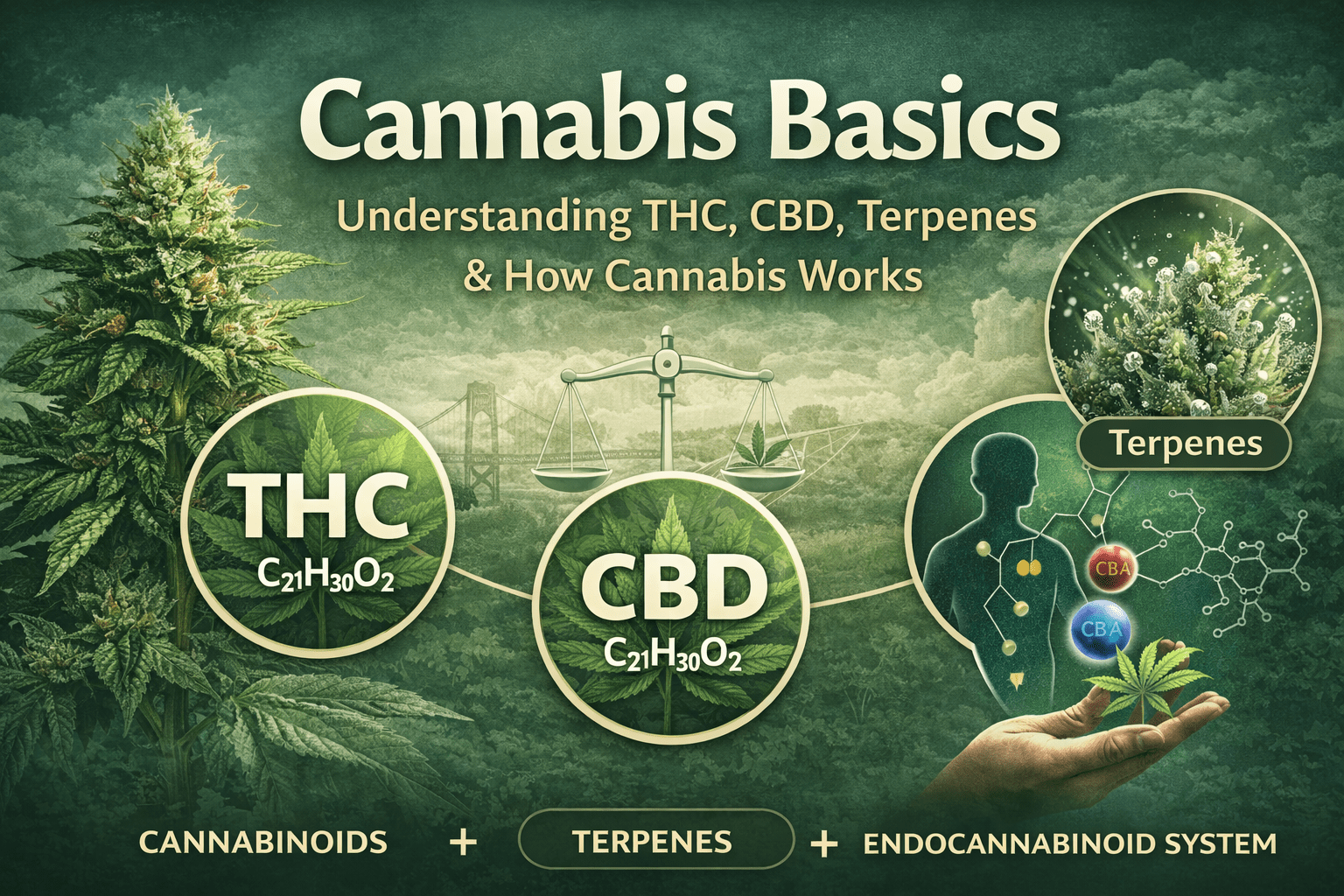
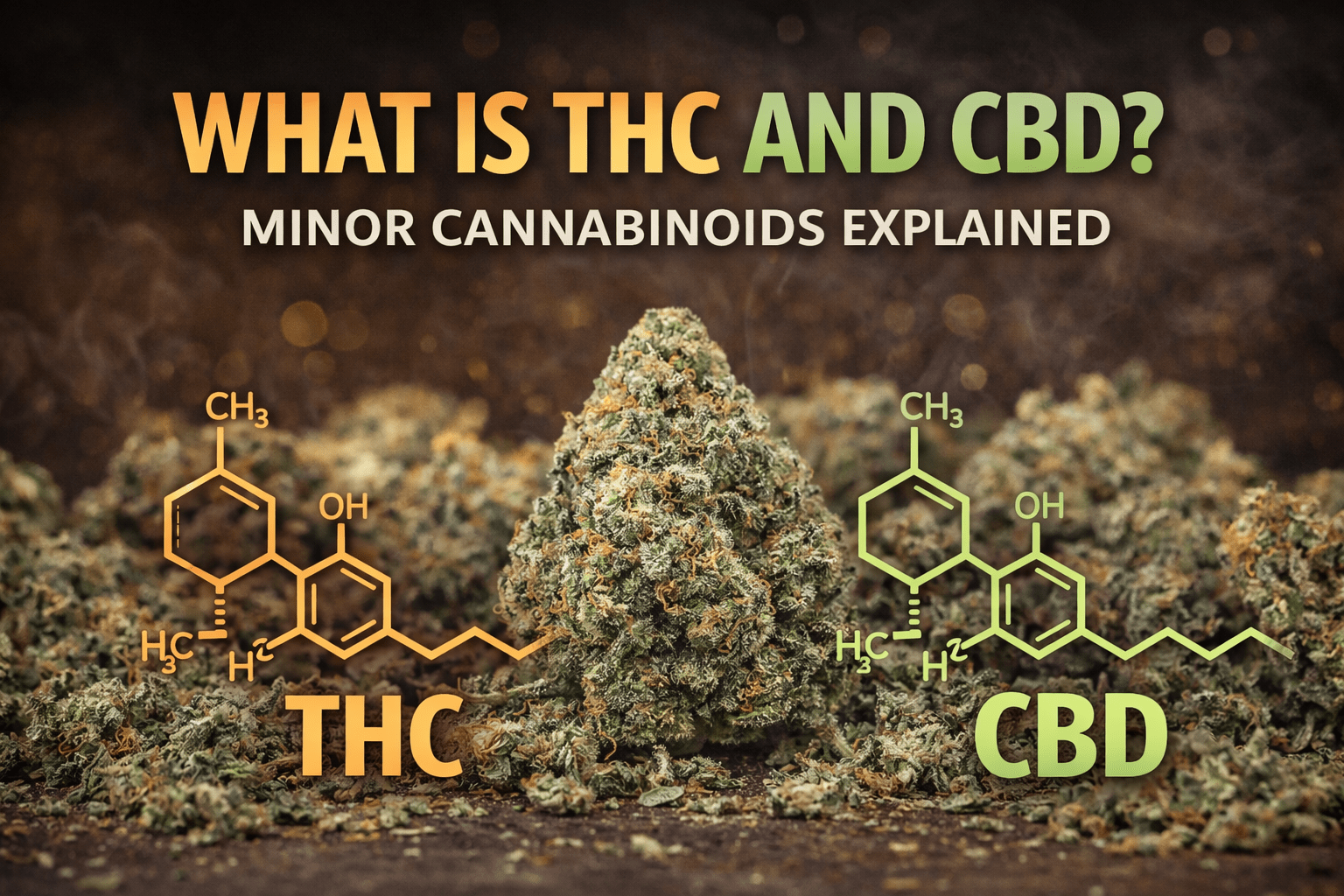
THC, CBD, and minor cannabinoids are bioactive compounds in cannabis that interact with the human endocannabinoid system and produce distinct physiological effects. These cannabinoids bind or modulate CB1 and CB2 receptors and influence mood, pain perception, inflammation, appetite, and cognition.
Unlike others, being a top rated weed delivery provider in halifax region we consider it our responsibility to provifde scientic fact based research oriented data to our customers.
THC, CBD, CBG, CBN, CBC and THCV all come from cannabis—but do these cannabinoids actually produce the same effects?
No. Cannabinoids differ in their chemical structure, abundance in the cannabis plant, interaction with receptors, intoxicating potential and—most importantly—the amount of human research supporting claims about them.
THC and CBD have received far more scientific attention than minor cannabinoids such as CBG, CBN, CBC and THCV. That distinction matters because product marketing can sometimes make early laboratory findings sound like proven human effects.
In this guide, we separate what researchers know from what is still being investigated.
Cannabinoids at a Glance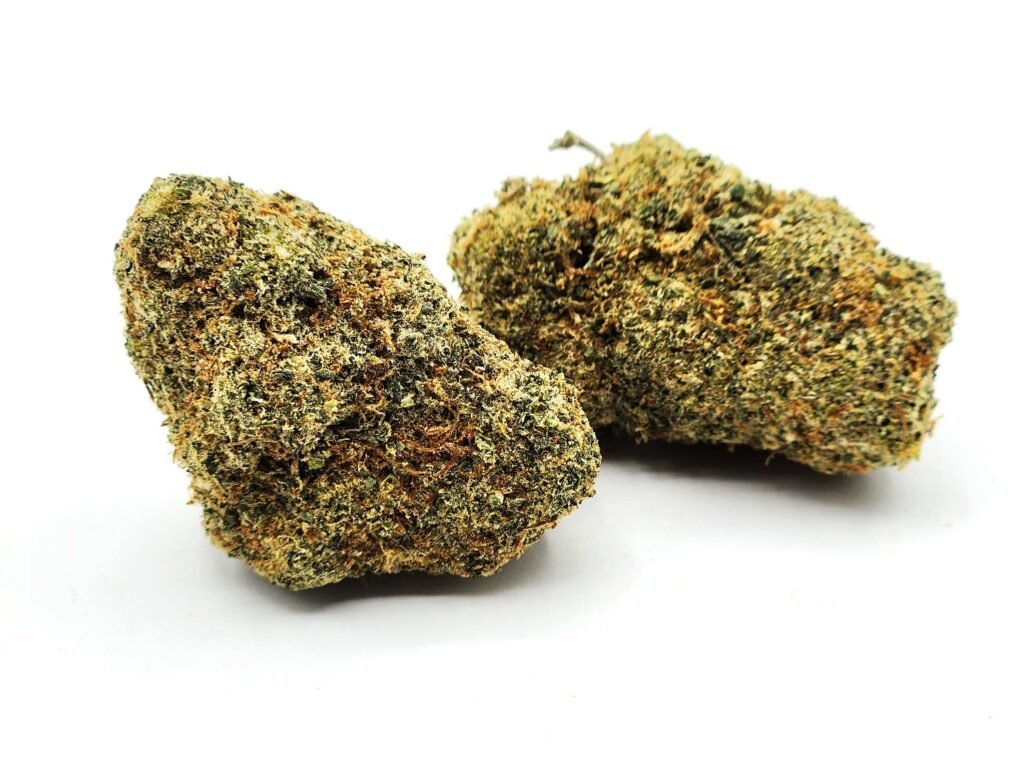
Cannabis contains more than 100 identified cannabinoids. These plant-produced compounds are called phytocannabinoids.
The two most abundant and extensively studied are:
- delta-9-tetrahydrocannabinol (THC)
- cannabidiol (CBD)
Other cannabinoids can occur naturally in smaller quantities, including:
- cannabigerol (CBG)
- cannabinol (CBN)
- cannabichromene (CBC)
- tetrahydrocannabivarin (THCV)
Health Canada notes that extracts and edibles can be formulated with larger amounts of cannabinoids that naturally occur at relatively low concentrations in the plant.
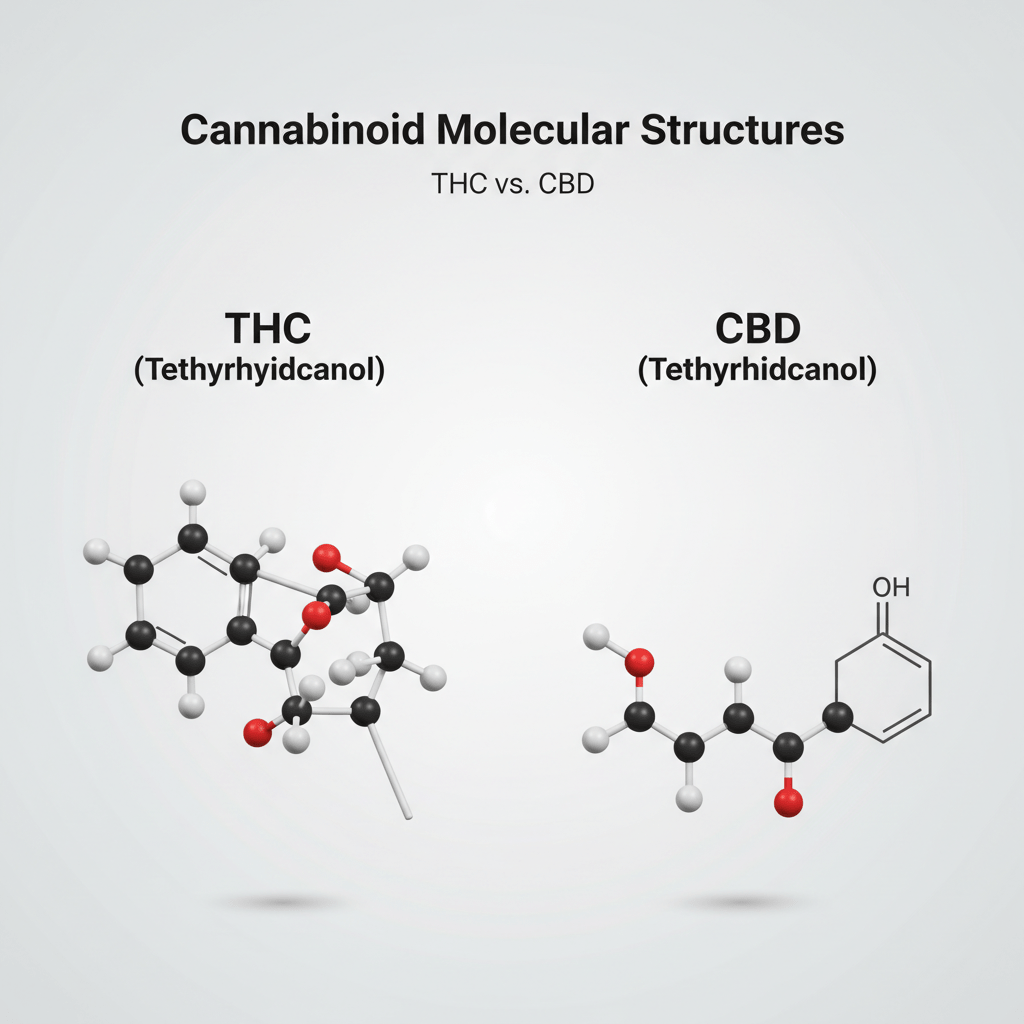
THC vs CBD vs CBG vs CBN vs CBC vs THCV
| Cannabinoid | Full Name | Intoxicating? | Important Relationship | Human Evidence |
|---|---|---|---|---|
| THC | Delta-9-tetrahydrocannabinol | Yes | Activates CB1 receptors | Extensive relative to other cannabinoids |
| CBD | Cannabidiol | No typical cannabis “high” | Complex receptor/modulator activity | Substantial, but condition-specific |
| CBG | Cannabigerol | Generally not considered intoxicating | Related to CBGA, an important biosynthetic precursor | Limited |
| CBN | Cannabinol | Potentially intoxicating | Forms partly through THC oxidation/degradation | Limited |
| CBC | Cannabichromene | Generally considered non-intoxicating | Interacts with several non-CB1 targets in preclinical research | Very limited |
| THCV | Tetrahydrocannabivarin | Potentially intoxicating | Interacts with CB1 in a concentration-dependent manner | Limited |
The important takeaway is simple:
Cannabinoid identification does not equal proven therapeutic effect.
Finding that a compound interacts with a receptor in laboratory research does not establish that it reliably treats a condition in humans.
What Is THC?
THC is the principal intoxicating cannabinoid in cannabis
Delta-9-tetrahydrocannabinol, usually shortened to THC, is the cannabinoid primarily responsible for the cannabis “high.”
THC activates cannabinoid type 1 receptors, or CB1 receptors, which are abundant throughout the central nervous system.
This receptor interaction contributes to changes in:
- perception
- attention
- coordination
- reaction time
- memory
- appetite
- mood
THC can produce pleasurable effects for some people, but it can also cause unwanted effects.
Health Canada identifies possible THC-related effects such as impaired coordination, anxiety, increased heart rate, confusion and other changes in cognition and perception.
Does THC cause impairment?
Yes.
THC can impair cognitive and psychomotor performance.
That is one of the most important differences between THC and CBD:
THC → CB1 activation → intoxication and impairment
CBD → does not produce the typical THC high
Higher THC exposure can also increase the likelihood and intensity of certain adverse effects.
How is THC shown on cannabis labels?
Depending on the product, THC may be expressed in:
- milligrams
- milligrams per gram
- milligrams per millilitre
- percentage by weight
Canadian cannabis labels can display both THC and Total THC because some cannabis initially contains acidic cannabinoid precursors such as THCA that can be converted when heated.
The product format therefore matters when interpreting cannabinoid content.
What Is CBD?
CBD is a cannabinoid that does not produce the typical THC high
Cannabidiol, or CBD, is another major phytocannabinoid found in cannabis.
Unlike THC, CBD does not produce typical cannabis intoxication.
CBD’s pharmacology is considerably more complex than simply “binding to CBD receptors.” There is no dedicated CBD receptor equivalent to the way THC is commonly associated with CB1.
Research has examined CBD’s interaction with numerous molecular targets and signalling systems.
Does CBD reduce anxiety, pain and improve sleep?
This is where wording matters.
The old version of this article listed:
- reduced anxiety
- reduced inflammation
- pain relief
- seizure reduction
- sleep regulation
as if these were five established general effects of CBD.
The evidence is more nuanced.
Health Canada’s scientific advisory review found some early evidence concerning short-term mild stress or nervousness but concluded that evidence remained insufficient to support or refute CBD for minor pain or sleep promotion in the reviewed non-prescription context.
Evidence can also differ significantly according to:
- medical condition
- CBD dose
- formulation
- duration
- other medications
- whether CBD is isolated or combined with other cannabinoids
That means:
CBD → biologically active cannabinoid
does not automatically mean:
CBD → proven treatment for every condition associated with it online.
Is CBD risk-free because it doesn’t cause a high?
No.
Non-intoxicating does not mean biologically inactive or free from adverse effects.
Reported CBD side effects can include:
- tiredness or sleepiness
- gastrointestinal symptoms
- decreased appetite
- medication interactions
- liver-related effects in some circumstances
People taking medications should discuss cannabis or CBD use with a qualified healthcare professional because cannabinoids can affect how some medicines are metabolized.
What Is CBG?
CBG is a minor cannabinoid related to an important cannabis precursor
Cannabigerol, or CBG, is often called the “mother cannabinoid.”
That nickname needs clarification.
It is actually CBGA (cannabigerolic acid) that serves as an important biosynthetic precursor in the cannabis plant.
Enzymes can convert CBGA into acidic cannabinoids including:
- THCA
- CBDA
- CBCA
Those acidic compounds can later be converted into THC, CBD and CBC through processes such as decarboxylation.
The more accurate relationship is therefore:
CBGA → cannabinoid biosynthesis → THCA, CBDA and CBCA
rather than saying CBG itself simply “turns into THC and CBD.”
What are the effects of CBG?
CBG has attracted research interest involving several biological pathways, but much of the evidence remains preclinical.
Laboratory and animal studies have investigated areas including:
- inflammatory signalling
- neurological pathways
- pain-related mechanisms
- gastrointestinal mechanisms
- receptor activity
These findings are useful for generating research questions.
They do not establish that a consumer will reliably experience “focus,” neuroprotection or anti-inflammatory benefits from a CBG product.
Does CBG improve focus?
There is not enough high-quality human evidence to present increased focus as an established effect of CBG.
The old article should remove that claim.
A more accurate statement is:
CBG is an emerging cannabinoid with interesting pharmacology, but its clinical effects and optimal doses remain inadequately established.
What Is CBN?
CBN is associated with aged or oxidized THC
Cannabinol, or CBN, is closely related to the chemical degradation of THC.
As cannabis is exposed to environmental conditions such as oxygen, light and time, THC can undergo chemical changes that contribute to CBN formation.
A simplified relationship is:
THC → oxidation/degradation → CBN
That is why CBN may become more noticeable in older cannabis material.
Does CBN make you sleepy?
CBN is heavily marketed as a “sleep cannabinoid,” but the evidence does not justify treating sedation as its defining proven effect.
One randomized placebo-controlled trial studied 20 mg CBN, alone and with different CBD amounts, in adults reporting poor sleep.
CBN did not produce a statistically significant improvement in the study’s primary overall sleep-quality outcome, although researchers observed improvements in some secondary measures such as awakenings and sleep disturbance.
That makes the evidence interesting—but not conclusive.
The responsible interpretation is:
CBN → being studied for sleep → evidence remains limited
rather than:
CBN → proven sedative
Is CBN intoxicating?
Consumers should not automatically categorize CBN with non-intoxicating CBD.
Health Canada currently includes CBN among cannabinoids for which evidence indicates CB1 receptor activation and treats it as an intoxicating cannabinoid for its regulatory guidance.
However, the type and magnitude of its effects relative to delta-9-THC are not well established.
What Is CBC?
CBC is cannabichromene, a less-studied phytocannabinoid
Cannabichromene, or CBC, is another naturally occurring cannabis cannabinoid.
CBC has been studied for interactions involving molecular targets such as TRP channels, including TRPV1 and TRPA1.
These mechanisms have generated interest in inflammation, pain and other physiological processes.
But there is an important evidence gap.
What does CBC do in humans?
We still do not have enough high-quality human research to give CBC a reliable consumer effect such as:
- “anti-inflammatory”
- “mood boosting”
- “pain relieving”
- “neuroprotective”
Those descriptions frequently originate from laboratory, animal or mechanistic studies.
Preclinical activity and clinical efficacy are different knowledge elements.
CBC → demonstrates biological activity in research
is defensible.
CBC → reliably treats inflammation in consumers
requires human clinical evidence that is currently much less developed.
Health Canada similarly states that the adverse effects associated with CBC and several other minor cannabinoids are not well known.
What Is THCV?
THCV is chemically related to THC but is not simply “diet THC”
Tetrahydrocannabivarin, or THCV, has a similar name to THC and interacts with cannabinoid receptors, but the molecules are not identical.
THCV has attracted attention because its behaviour at cannabinoid receptors can vary depending on experimental conditions and concentration.
Research has investigated relationships involving:
- CB1 signalling
- metabolism
- appetite
- glucose regulation
- neurological pathways
That does not mean every commercially marketed THCV product suppresses appetite or increases energy.
Does THCV suppress appetite?
The old article stated “appetite suppression” as a defining THCV effect.
That is too certain.
Early research has investigated THCV in metabolic and appetite-related contexts, but existing evidence does not support describing THCV as a proven weight-loss or appetite-suppression product for the general population.
Does THCV give you energy?
“Energy enhancement” is also more marketing language than established clinical fact.
A cannabinoid can influence receptor signalling without producing a predictable subjective experience in every consumer.
THCV products can additionally vary by:
- dose
- cannabinoid concentration
- other cannabinoids
- route of administration
- formulation
Health Canada currently lists THCV among cannabinoids capable of activating CB1 receptors and therefore potentially producing intoxicating effects.
Which Cannabinoids Are Intoxicating?
This comparison is more complicated than simply putting every cannabinoid into “psychoactive” or “not psychoactive” columns.
THC
THC is clearly intoxicating and impairing.
CBD
CBD does not cause the typical cannabis high.
CBN and THCV
Health Canada currently identifies both CBN and THCV among cannabinoids with evidence of CB1 receptor activation.
Their potency, dose-response relationships and effects are less well characterized than delta-9-THC.
CBG and CBC
CBG and CBC are generally not regarded as producing the typical THC-type intoxication, but research into minor cannabinoids remains incomplete.
That uncertainty should be visible in a comparison article rather than hidden.
How Do Cannabinoids Interact With the Endocannabinoid System?
The endocannabinoid system includes receptors, signalling molecules and enzymes
The endocannabinoid system (ECS) is a biological signalling network.
Important components include:
- CB1 receptors
- CB2 receptors
- endogenous cannabinoids such as anandamide
- 2-arachidonoylglycerol (2-AG)
- enzymes responsible for cannabinoid synthesis and breakdown
CB1 receptors are particularly abundant in the nervous system.
CB2 receptors occur in several tissues and have important relationships with immune signalling.
Plant cannabinoids interact with this system in different ways.
That difference matters.
THC is strongly associated with CB1 activation, while CBD has broader and more indirect pharmacology. Minor cannabinoids may interact with cannabinoid receptors and other molecular targets, but their pharmacology is less completely characterized.
Cannabinoids should therefore not be described as interchangeable molecules that merely produce different flavours of the same effect.
What Is the Entourage Effect?
The entourage effect is a hypothesis—not a guarantee that “full spectrum works better”
The entourage effect describes the idea that multiple cannabis constituents may interact in ways that alter the effects of individual compounds.
Potential interactions can involve:
- cannabinoids
- terpenes
- other plant constituents
The concept is scientifically interesting.
However, the old article makes a much stronger claim:
“THC + CBD + minor cannabinoids + terpenes produce a combined pharmacological impact greater than isolated compounds.”
That should be removed.
Reviews of the scientific literature have found that evidence for a stable, predictable and clinically meaningful entourage effect remains limited and sometimes contradictory.
A mixture can produce:
- additive effects
- antagonistic effects
- synergistic effects
- no meaningful interaction
Those outcomes are not interchangeable.
The more scientifically accurate relationship is:
Multiple cannabis compounds → may interact → combined effect depends on compound, dose and context
The entourage effect remains a research question, not a universal rule.
THC vs CBD: What Is the Main Difference?
For most consumers, the most important difference concerns intoxication.
| Attribute | THC | CBD |
|---|---|---|
| Typical cannabis high | Yes | No |
| Impairment | Can impair | Not typically intoxicating |
| CB1 activity | Directly activates CB1 | Complex/indirect |
| Research base | Extensive | Extensive relative to minor cannabinoids |
| Side effects | Well documented | Better studied than minor cannabinoids |
| Addiction potential | Present | Health Canada does not describe CBD as addictive |
THC and CBD can also occur together in the same cannabis product.
The amount and ratio matter.
Are Minor Cannabinoids Better Than THC or CBD?
There is currently no scientific basis for ranking CBG, CBN, CBC or THCV as universally “better” than THC or CBD.
Each cannabinoid represents a different chemical entity with different:
- molecular targets
- concentrations
- pharmacokinetics
- potential effects
- adverse effects
- evidence quality
More importantly, a person’s goal does not establish that a particular cannabinoid is clinically effective for that goal.
For example:
Poor sleep → does not automatically mean → choose CBN
Need focus → does not automatically mean → choose CBG
Want lower appetite → does not automatically mean → choose THCV
Those associations are common in cannabinoid marketing but substantially stronger than the current human evidence allows.
How to Read Cannabinoid Information on a Cannabis Label
Concentration matters more than the cannabinoid name alone
A cannabis product label provides information that can help consumers identify its contents.
Depending on product type, look for:
- THC amount
- Total THC
- CBD amount
- Total CBD
- other declared cannabinoids
- product weight or volume
- ingredients
- standardized cannabis symbol where required
- health warning
- lot number
- packaging date
The amount of a cannabinoid is a critical attribute.
A product containing trace CBN is not equivalent to a formulation deliberately produced with a high CBN concentration.
Likewise, two products described as “CBD products” may contain very different CBD and THC amounts.
Does a Higher Cannabinoid Percentage Mean a Better Product?
No.
Higher concentration means more of that cannabinoid per unit of product. It does not automatically mean better quality or a better experience.
For THC in particular, higher exposure can increase impairment and certain adverse effects.
Product selection involves more than potency.
Relevant attributes can include:
- cannabinoid concentration
- product format
- intended use
- route of administration
- individual sensitivity
- previous experience
- medications
- potential interactions
Consumers should not interpret potency as a quality score.
What We Know vs What Researchers Are Still Studying
| Cannabinoid | Reasonably Established | Still Uncertain |
|---|---|---|
| THC | Intoxication, impairment, CB1 activity | Many condition-specific therapeutic questions |
| CBD | Non-intoxicating, biologically active | Many common wellness claims |
| CBG | Distinct phytocannabinoid; related to CBGA pathway | Clinical benefits, doses, long-term safety |
| CBN | Related to THC degradation; biologically active | Reliable sleep benefit, relative intoxication |
| CBC | Distinct minor phytocannabinoid | Most human clinical effects |
| THCV | Distinct THC-related cannabinoid; CB1 interaction | Appetite, energy, metabolic benefits |
| “Entourage effect” | Cannabis compounds can interact | Whether predictable synergy improves outcomes |
This evidence hierarchy is one of the most useful ways to understand minor cannabinoids.
A plausible mechanism is not the same thing as a demonstrated human benefit.
Are CBG, CBN, CBC and THCV Safe?
There is not enough research to describe all minor cannabinoids as universally safe.
Health Canada specifically notes that side effects associated with CBN, CBG, CBC and THCV are not well known.
Risk can also depend on:
- dose
- product formulation
- route of administration
- other cannabinoids
- alcohol or other drug use
- prescription medications
- underlying health conditions
- pregnancy or breastfeeding
- age
CBD also has potential adverse effects and drug interactions despite not causing the typical cannabis high.
THC can impair attention, memory, coordination and judgment.
Anyone using cannabis for a medical condition or alongside medication should discuss it with a qualified healthcare professional.
Interesting Fact: “Minor” Does Not Mean Unimportant
The term minor cannabinoid generally describes relative abundance and research attention—not biological importance.
A compound can occur at a low natural concentration and still interact with biological targets.
Modern extraction and formulation can also create products containing concentrations of CBN, CBG or other cannabinoids far above the trace amounts normally found in some cannabis plants.
That changes exposure.
It does not automatically establish a therapeutic benefit.
The Bottom Line
THC, CBD, CBG, CBN, CBC and THCV belong to the same broad cannabinoid family, but they are not interchangeable.
THC is the best-characterized intoxicating cannabinoid and activates CB1 receptors.
CBD does not cause the typical cannabis high and has complex pharmacology, although many popular wellness claims still exceed the available evidence.
CBG is an emerging minor cannabinoid; CBGA—not CBG itself—is the important biosynthetic precursor used by the cannabis plant to produce several cannabinoid acids.
CBN is associated partly with THC degradation and is widely marketed for sleep, but human evidence remains limited.
CBC has interesting preclinical pharmacology, but there is little human evidence supporting specific consumer effects.
THCV interacts with cannabinoid receptors and is being researched in metabolic and neurological contexts, but claims about guaranteed energy or appetite suppression are premature.
And the entourage effect remains a hypothesis whose clinical significance is still being investigated.
The most useful rule is therefore:
Cannabinoid → mechanism → evidence level → actual demonstrated effect
Do not skip the evidence step.
Frequently Asked Questions
Which cannabinoid gets you the highest?
Delta-9-THC is the principal cannabinoid responsible for typical cannabis intoxication. CBN and THCV may also have intoxicating activity, but their effects are less well characterized.
Is CBN proven to help with sleep?
No. CBN is being studied for sleep, and limited human research has reported some promising secondary outcomes, but current evidence does not establish CBN as a proven sleep treatment.
Is CBG the “mother of all cannabinoids”?
That phrase is imprecise. CBGA, the acidic precursor related to CBG, is converted by cannabis enzymes into cannabinoid acids including THCA, CBDA and CBCA.
Does THCV suppress appetite?
THCV has been researched in appetite and metabolic pathways, but evidence is not strong enough to promise appetite suppression or weight loss in consumers.
Is the entourage effect scientifically proven?
Cannabis compounds can interact, but a predictable beneficial “entourage effect” has not been conclusively established. Current reviews describe the clinical evidence as limited or inconsistent.
Sources and Further Reading
| # | Citation | Key Focus |
|---|---|---|
| 1 | André, R., et al. (2024). The Entourage Effect in Cannabis Medicinal Products. | Peer-reviewed study in Molecules exploring the synergistic interactions between cannabinoids and terpenes, validating the “entourage effect” in therapeutic applications. |
| 2 | Rabl, K., et al. (2025). Minor Cannabinoids CBD, CBG, CBN and CBC differentially modulate inflammatory signaling. | Recent research investigating the distinct anti-inflammatory and analgesic properties of minor cannabinoids and their unique receptor modulation pathways. |
| 3 | Li, S., et al. (2024). Cannabigerol (CBG): A Comprehensive Review of Its Therapeutic Potential. | A detailed review of CBG’s role as the “mother cannabinoid” and its emerging evidence for neuroprotection and anti-inflammatory activity. |
| 4 | Almeida, C. F., et al. (2025). Impact of minor cannabinoids on key pharmacological targets. | Technical analysis of how CBN, CBC, and CBG interact with estrogen and androgen receptors, highlighting their diverse physiological impacts beyond the ECS. |
| 5 | World Health Organization (2018). Cannabidiol (CBD) Critical Review Report. | Authoritative international report confirming that CBD has no abuse or dependence potential and a favorable safety profile in humans. |
| 6 | Pertwee, R. G. (2008). The diverse CB1 and CB2 receptor pharmacology of THC, CBD and THCV. | A foundational pharmacological study detailing how THCV acts as a CB1 antagonist at low doses and its potential for appetite suppression. |
| 7 | Raz, N., et al. (2023). Selected cannabis terpenes synergize with THC to produce enhanced CB1 activation. | Research in Biochemical Pharmacology demonstrating that specific terpenes directly modulate CB1 receptors, providing a mechanistic basis for the entourage effect. |