

Blog
Recent Posts
We are always ready to help you and answer your questions
High Demand And Popularity of Cannabis in Nova Scotia
The Popularity of Cannabis in Halifax, NS
Cannabis has become a familiar part of the adult consumer market in Halifax, Nova Scotia. Since non-medical cannabis became legal across Canada in 2018, adults have gained access to regulated cannabis products ranging from dried flower and pre-rolls to edibles, oils, concentrates and beverages.
Halifax’s cannabis market sits within this broader Canadian shift. Legal access, a wider range of product formats and greater consumer familiarity with THC and CBD have changed how adults find and compare cannabis products.
National data helps put that popularity into perspective. Health Canada’s 2024 Canadian Cannabis Survey found that 26% of people aged 16 and older reported using cannabis for non-medical purposes during the previous 12 months. The figure was 22% when the survey began in 2018.
Cannabis may be more visible than it once was, but adults in Halifax still need to understand where cannabis can legally be purchased, how products differ and which provincial and municipal rules apply.
Why Is Cannabis Popular in Halifax?
Cannabis popularity in Halifax cannot be attributed to a single factor.
Legalization made regulated cannabis available to adults through a formal retail system. At the same time, consumers now encounter a much broader range of cannabis formats than dried flower alone.
Changing attitudes toward cannabis are another part of the picture. Legalization brought cannabis products, cannabinoid information and responsible-use guidance into a regulated consumer environment.
The national market has also continued to shift toward legal purchasing. Health Canada’s 2024 Canadian Cannabis Survey reported that 72% of people who consumed cannabis usually obtained it through a legal store or website.
For Halifax consumers, this means cannabis is no longer defined solely by traditional dried flower. The modern market includes products with different THC and CBD concentrations, consumption methods, onset times and durations.
Cannabis Legalization in Halifax and Nova Scotia
Non-medical cannabis became legal in Canada on October 17, 2018, when the federal Cannabis Act came into force.
Federal law establishes the national framework for cannabis production and regulation, while provinces and territories set rules in areas such as minimum age, retail distribution and certain consumption restrictions.
In Nova Scotia, the minimum legal age to purchase, possess, use or grow cannabis is 19.
Adults of legal age can possess up to 30 grams of legal dried cannabis, or its equivalent, in public, subject to applicable federal and provincial rules.
Nova Scotia also established the Nova Scotia Liquor Corporation as the province’s authorized recreational cannabis retailer.
These rules are important for Halifax consumers because legalization does not mean cannabis can be sold or consumed anywhere without restrictions.
What Cannabis Products Are Popular?
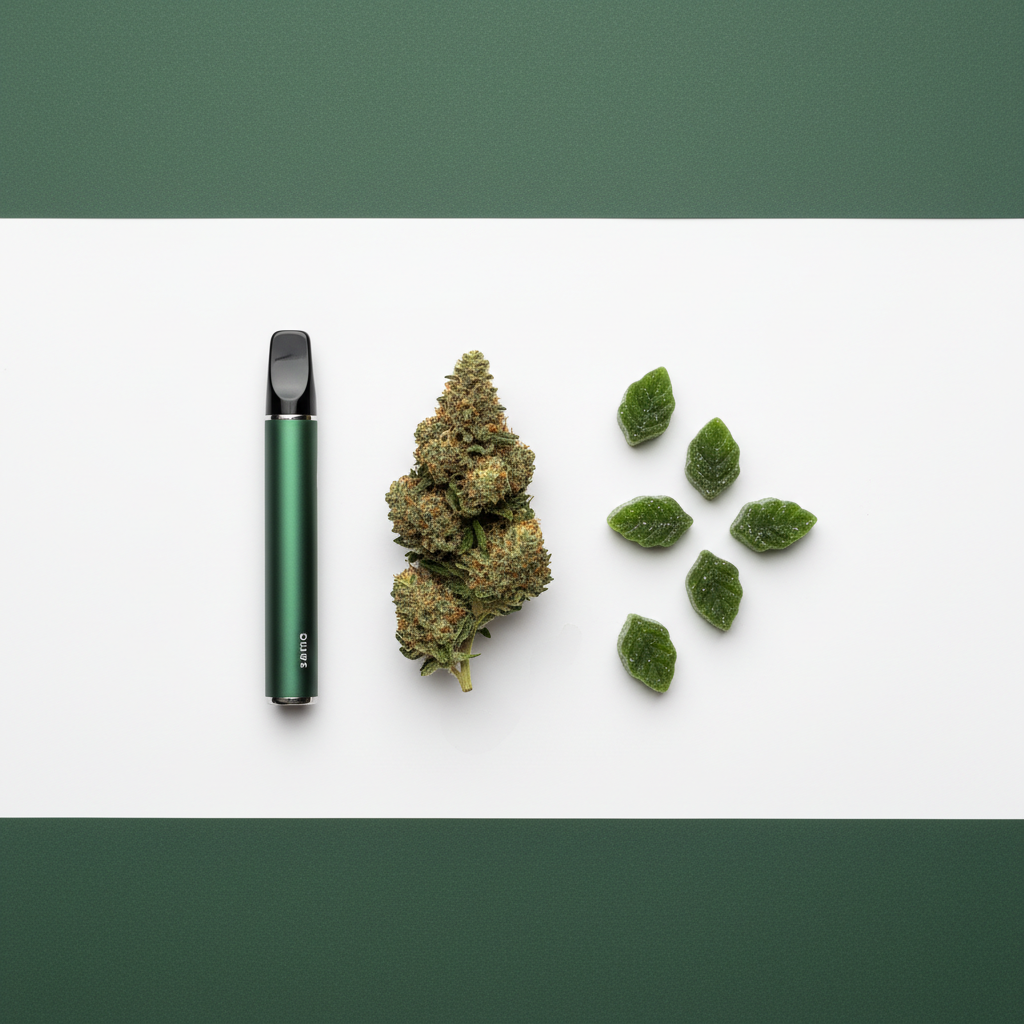
Today’s cannabis market extends well beyond dried flower.
Health Canada’s 2024 Canadian Cannabis Survey provides a useful picture of product preferences among people who reported consuming cannabis during the previous 12 months.
Dried flower or leaf remained the most commonly reported product at 63%. Edible cannabis was reported by 55%, vape pens or cartridges by 37%, oral cannabis oils by 24%, and cannabis beverages by 21%.
Other product categories included hash or kief, topicals and cannabis concentrates.
These national figures should not be treated as Halifax-specific market-share data, but they illustrate how varied Canada’s cannabis market has become.
Dried Cannabis Flower
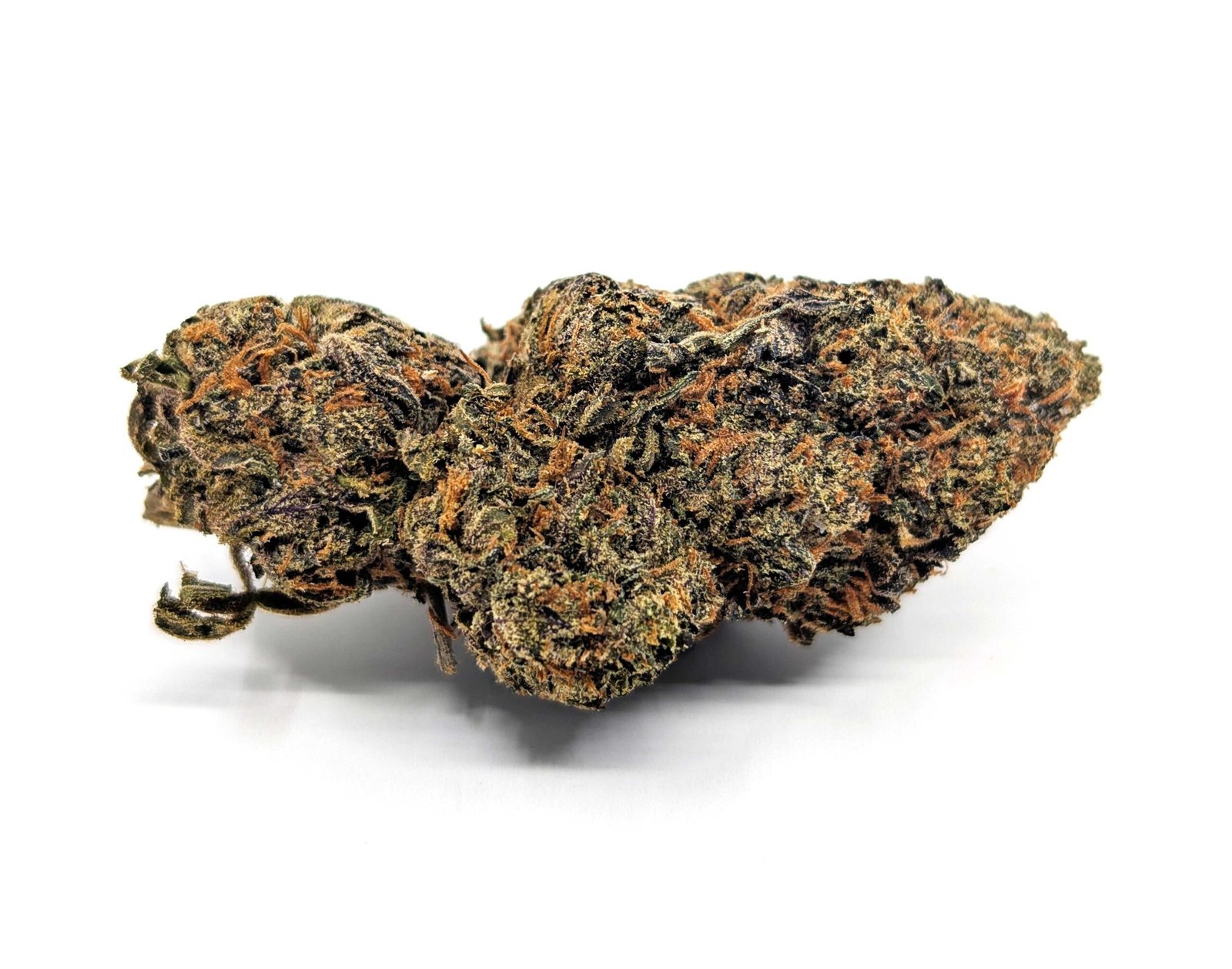
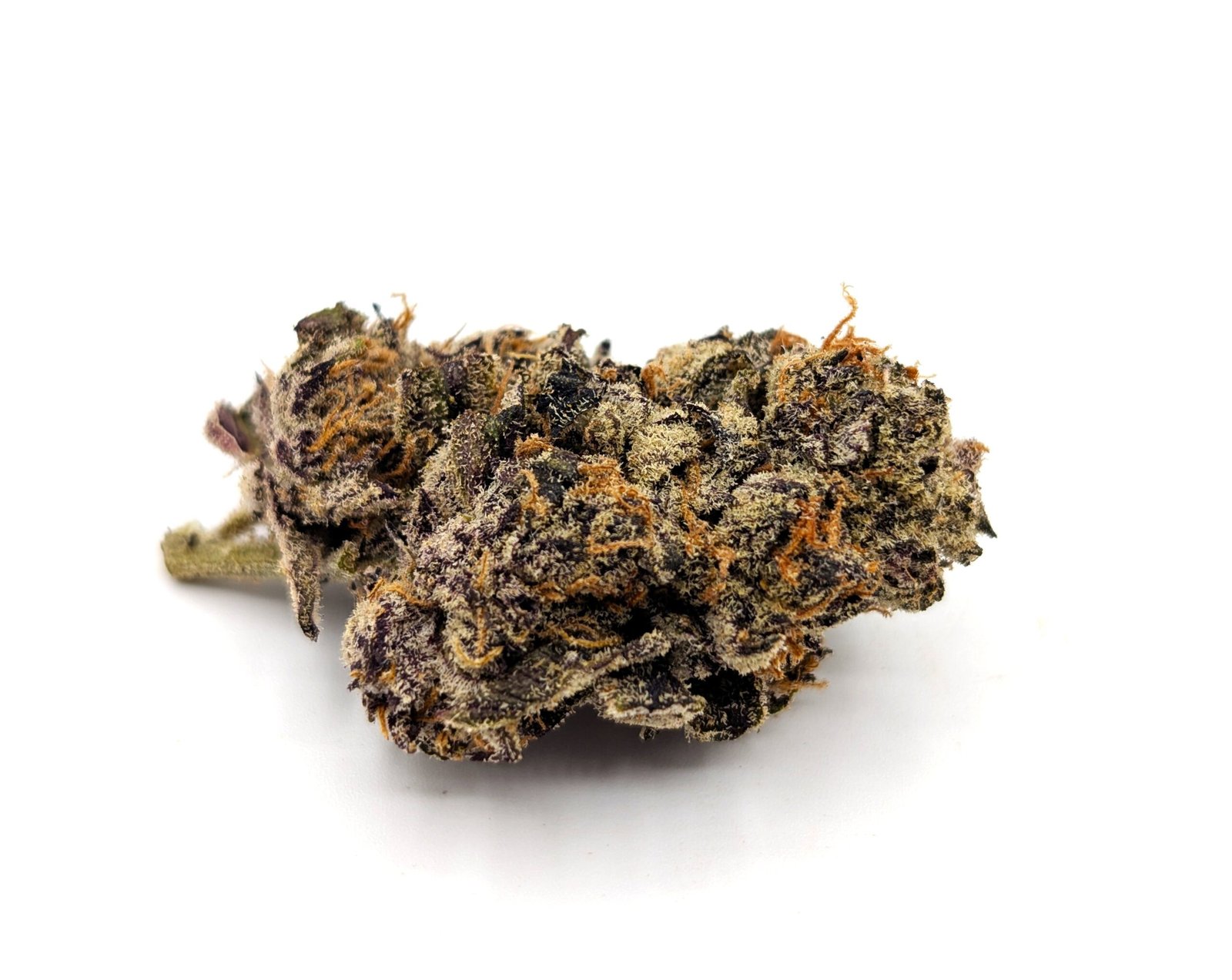
Dried flower remains one of the most recognizable cannabis formats.
Products can differ significantly in THC and CBD concentration, terpene profile, aroma and other characteristics. Checking the cannabinoid information on the label gives consumers more useful information than relying on a strain name alone.
Pre-Rolls
Pre-rolls provide dried cannabis in a ready-to-use format.
They can contain different cannabis cultivars and cannabinoid concentrations. Some products may also contain infused cannabis extracts, so THC information should be checked rather than assuming all pre-rolls have similar potency.
Cannabis Edibles
Cannabis edibles include products such as gummies, chocolates and other foods containing cannabinoids.
Edibles differ significantly from inhaled cannabis because their effects are delayed. Ingested cannabis can take 30 minutes to 2 hours to begin producing effects and as long as 4 hours to reach its full effects.
Legal edible cannabis products in Canada are limited to 10 mg of THC per immediate container.
Cannabis Vapes
Cannabis vape products provide an inhaled alternative to dried flower.
Vape products can contain substantial concentrations of THC. Consumers should check Total THC and Total CBD information rather than assuming a vape is weaker or stronger based solely on its format.
Cannabis Oils
Cannabis oils can contain THC, CBD or both cannabinoids.
Because oils can vary substantially in cannabinoid concentration, consumers should check how THC and CBD are expressed on the product label and follow the product’s directions.
Cannabis Concentrates
Concentrates include products such as hash, kief, wax and other cannabis extracts.
Some concentrates can contain much higher THC concentrations than dried cannabis. Higher THC exposure can increase impairment and the likelihood of unwanted effects.
THC and CBD in Halifax Cannabis Products
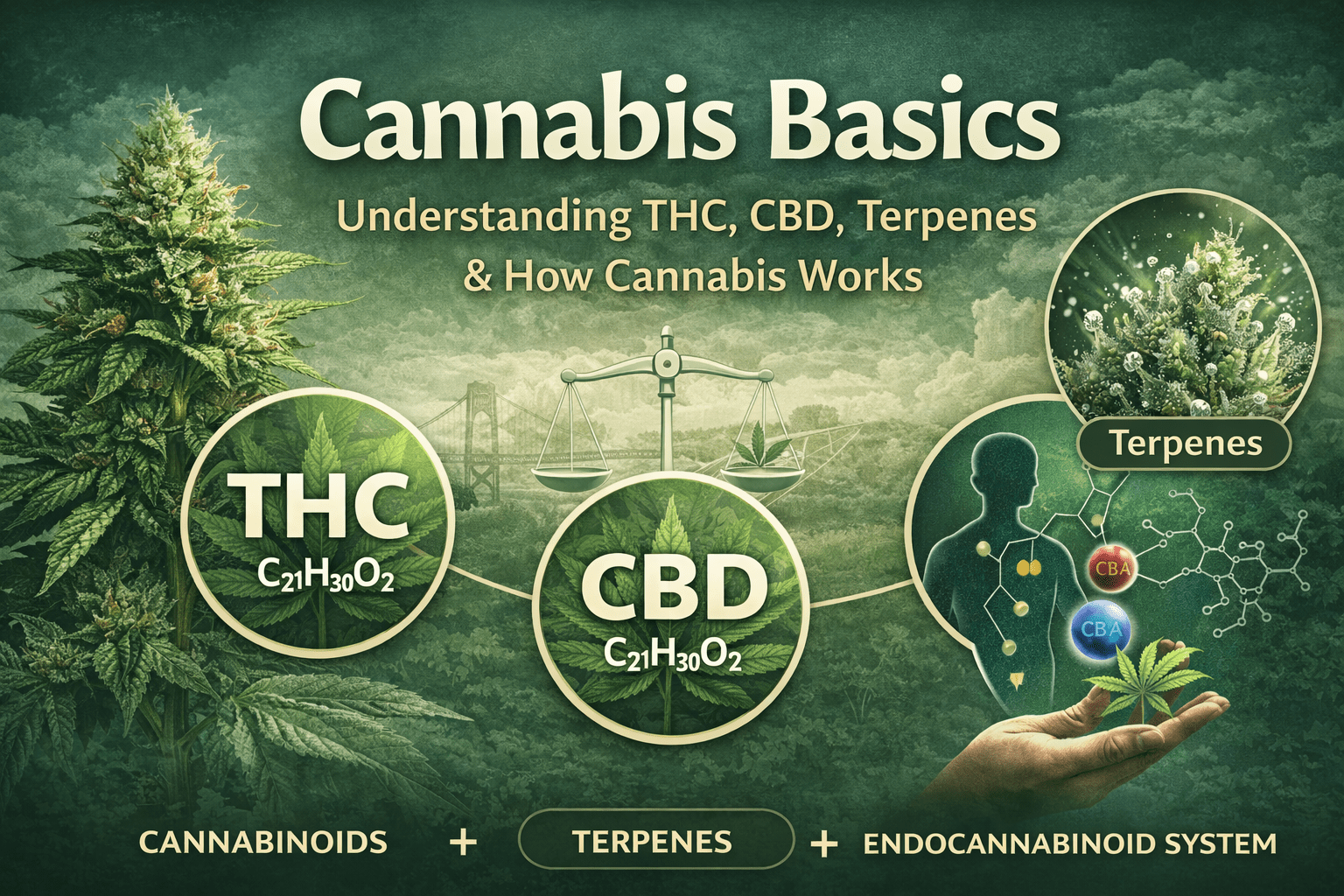
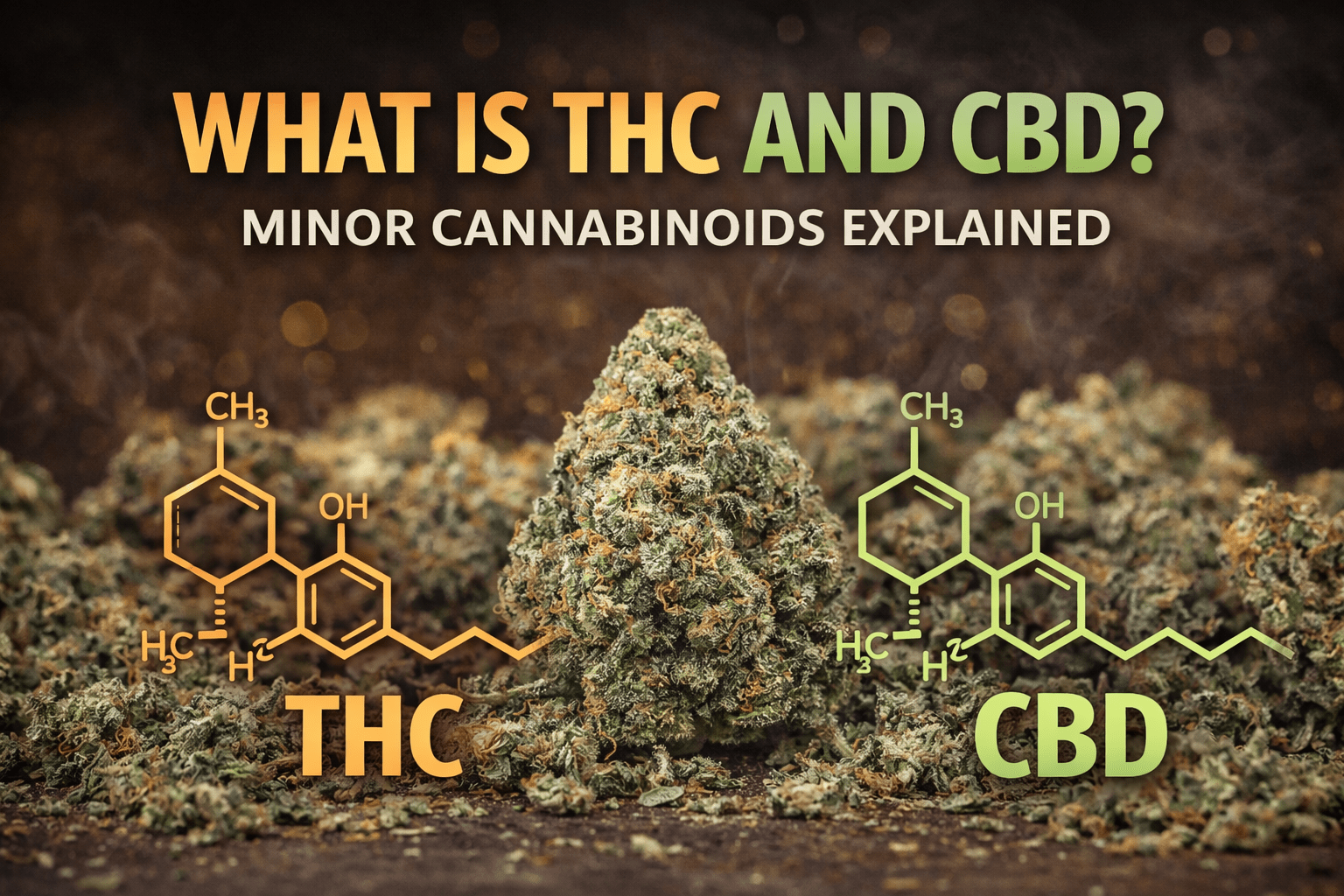
Two of the most important cannabinoids for consumers to understand are THC and CBD.
THC, or delta-9-tetrahydrocannabinol, is the main intoxicating cannabinoid associated with the cannabis high. THC can affect attention, memory, coordination, reaction time and perception.
CBD, or cannabidiol, is not intoxicating. It does not produce the characteristic THC high, although it still affects the brain and body.
Cannabis products can be:
- THC-dominant
- CBD-dominant
- balanced between THC and CBD
- formulated with different ratios of the two cannabinoids
A higher THC number means a higher THC concentration. It does not automatically mean a product is higher quality or a better choice for a particular consumer.
How to Compare Cannabis Products
The growing variety of cannabis products gives Halifax consumers more options, but it can also make product comparison more complicated.
Instead of comparing products only by strain name or broad categories such as indica, sativa and hybrid, look at measurable product attributes.
Start with Total THC and Total CBD.
These values tell you about the cannabinoid content of the product. Depending on the format, cannabis labels may express cannabinoid content in milligrams, milligrams per gram, milligrams per millilitre or another applicable measurement.
Product format matters too.
Smoking or vaping cannabis can produce effects within seconds to minutes. Edible cannabis has a slower onset and may take considerably longer to reach its full effects.
Two cannabis products with similar THC content can therefore provide very different experiences when one is inhaled and another is eaten.
Why Legal Cannabis Sources Matter
Canada’s regulated cannabis market provides consumers with product information and controls that are not guaranteed with products from illegal sources.
Legal cannabis products are subject to federal requirements governing areas such as production, testing, packaging and labelling.
Packaging can provide information about:
- Total THC
- Total CBD
- product quantity
- health warnings
- ingredients when applicable
- allergens when applicable
- standardized cannabis symbols when required
- lot and packaging information
Health Canada’s 2024 survey found that legal storefronts and websites had become the usual cannabis source for 72% of people who consumed cannabis.
Only 3% reported an illegal store, website or dealer as their usual source.
That represents a significant change from the early years of cannabis legalization in Canada.
Can You Order Cannabis Online in Halifax?
Cannabis can be legally purchased online in Nova Scotia through the province’s authorized recreational cannabis retail system.
Consumers should distinguish between a website that merely sells cannabis online and a source that is legally authorized to sell non-medical cannabis in Nova Scotia.
An attractive website, large product menu or advertised delivery service does not by itself establish that a seller is legal.
Legal purchasing also gives consumers access to regulated product packaging and cannabinoid information, which can help when comparing THC, CBD and product formats.
Cannabis Delivery in Halifax
The convenience associated with online shopping has also influenced expectations around cannabis purchasing.
For Halifax adults interested in ordering cannabis, the important distinction is between availability and authorized availability.
Cannabis legalization did not create an unrestricted delivery market where any business can legally sell recreational cannabis.
Before ordering cannabis for delivery, consumers should verify that the source is authorized to sell recreational cannabis in Nova Scotia.
This distinction is particularly important when search results display websites using terms such as “Halifax weed delivery,” “cannabis delivery Halifax” or “online dispensary Halifax.”
Cannabis Consumption Rules in Halifax
Being legally old enough to possess cannabis does not mean cannabis can be smoked or vaped anywhere in Halifax.
Nova Scotia regulates public smoking and vaping, and municipalities can establish further restrictions.
Halifax has municipal rules governing smoking on municipal property, including designated smoking areas.
Consumers should therefore check the rules that apply to the particular location rather than assuming that cannabis can be consumed anywhere tobacco smoking might previously have occurred.
Private-property rules can also matter. Landlords, property managers and other property owners may impose restrictions consistent with applicable law.
Cannabis and Driving in Halifax
Cannabis and driving do not mix safely.
THC can impair reaction time, attention, coordination and judgment. A person should not drive while impaired by cannabis.
This remains relevant even when cannabis was purchased legally.
Edibles deserve particular attention because their effects are delayed and can last substantially longer than many consumers expect.
The legality of possessing or consuming cannabis does not change impaired-driving laws.
How Cannabis Preferences Are Changing
One reason cannabis remains a significant consumer category is that people can now choose among many product formats rather than relying on dried flower alone.
Health Canada’s national survey data illustrates this change.
Dried flower remains widely consumed, but edibles, vape products, oils and beverages now account for meaningful portions of reported cannabis use.
Consumers can also compare products according to THC and CBD concentration rather than simply choosing between different strain names.
This shift has made cannabinoid content, dose and consumption method increasingly important parts of cannabis literacy.
Is Indica or Sativa More Popular in Halifax?
There is not enough reliable public data to establish whether indica, sativa or hybrid products are the most popular specifically among Halifax consumers.
The terms remain common in cannabis retail, but they should not be treated as precise predictions of effects.
Modern cannabis products can differ substantially in THC, CBD, terpene composition and other characteristics even when they share the same broad indica, sativa or hybrid label.
Consumers looking to compare products can get more specific information from the cannabinoid profile and product label.
Why Cannabis Remains Popular in Halifax
Cannabis in Halifax has moved from an illicit-market product into a regulated adult consumer category.
Legalization, product variety and access to regulated cannabis have all contributed to that transition.
National data shows that cannabis consumption remains common and that legal purchasing has become the usual source for most surveyed consumers.
At the same time, popularity should not be confused with universal use or absence of risk.
THC can cause impairment, cannabis products vary substantially in potency, and provincial and municipal rules continue to govern where cannabis can be purchased and consumed.
For Halifax adults who choose to consume cannabis, understanding THC and CBD content, product format, legal purchasing and local consumption rules provides a more useful foundation than choosing a product based on popularity alone.
Frequently Asked Questions About Cannabis in Halifax
Is Cannabis Legal in Halifax?
Yes. Recreational cannabis is legal for adults who meet Nova Scotia’s minimum legal age of 19, subject to federal, provincial and municipal rules.
How Old Do You Have to Be to Buy Cannabis in Halifax?
You must be at least 19 years old to legally purchase recreational cannabis online in Nova Scotia.
How Much Cannabis Can You Carry in Halifax?
Adults can generally possess up to 30 grams of legal dried cannabis or its equivalent in public, subject to applicable cannabis laws.
Can You Buy Cannabis Online in Halifax?
Yes, but recreational cannabis should be purchased through the authorized legal retail system in Nova Scotia. A website advertising cannabis delivery is not automatically an authorized cannabis retailer.
What Cannabis Products Are Available?
The legal Canadian market includes dried flower, pre-rolls, edibles, oils, beverages, vape products and cannabis extracts. Availability varies over time.
What Is the Difference Between THC and CBD?
THC is intoxicating and is responsible for the characteristic cannabis high. CBD is non-intoxicating, although it can still affect the brain and body.
Are Cannabis Edibles Legal in Halifax?
Yes. Legal cannabis edibles are available to adults through authorized sources. Canadian regulations limit edible cannabis to 10 mg THC per immediate container.
Can You Smoke Cannabis Anywhere in Halifax?
No. Provincial legislation and Halifax municipal rules restrict smoking and vaping in public locations. Consumers should check the rules applying to the location where they intend to consume cannabis.
Can You Drive After Using Cannabis?
You should not drive while impaired by cannabis. THC can affect attention, coordination, judgment and reaction time regardless of whether the cannabis was legally purchased.