
Blog
Recent Posts
We are always ready to help you and answer your questions
How to Read a Cannabis Label: THC, CBD, Lot Number & Pack Date
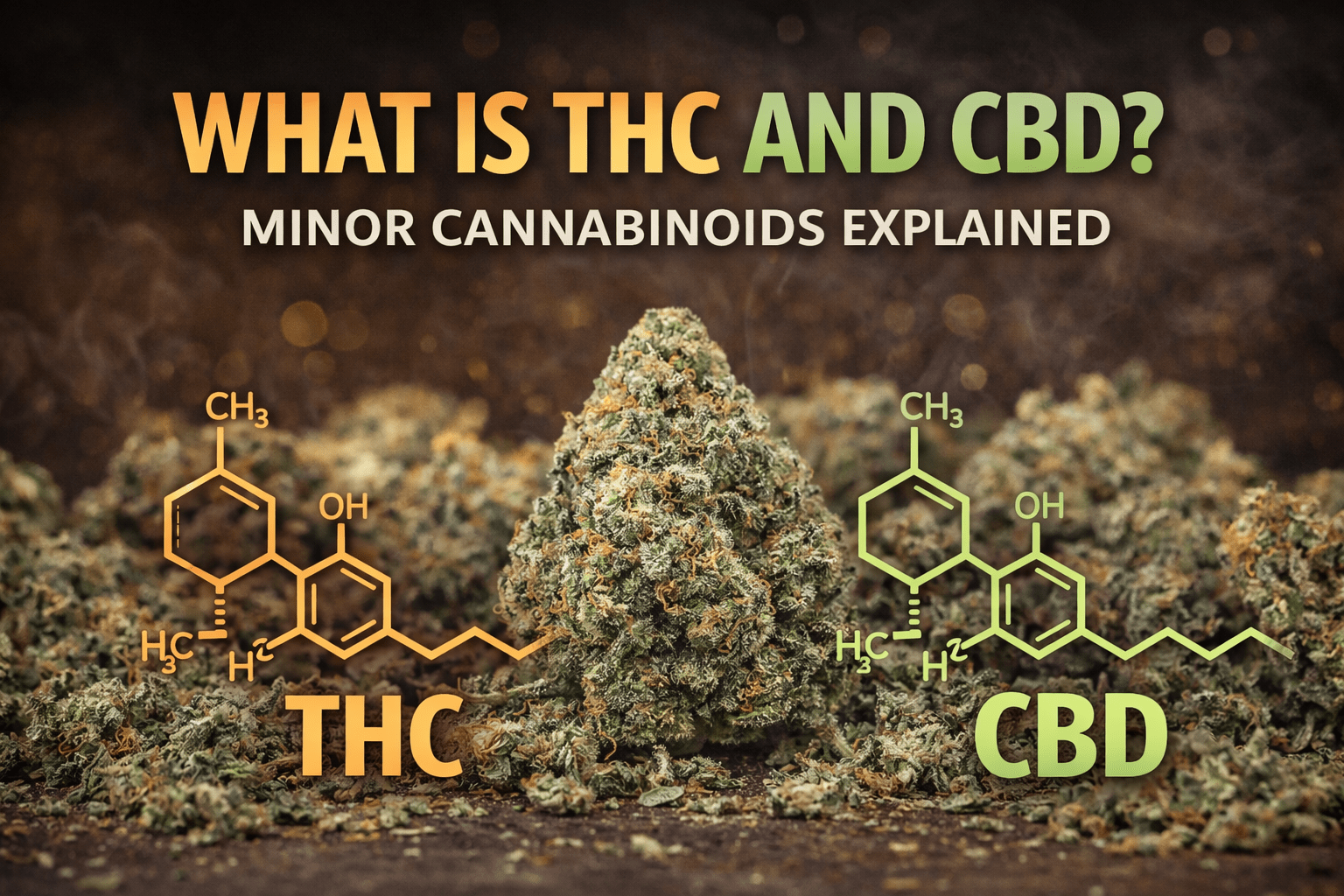
A Canadian cannabis label tells you more than a product name and THC number. It identifies how much THC and CBD the package contains, how much product is inside, what class of cannabis it is, the lot number, packaging date and recommended storage conditions.
The key is to read those fields as package information rather than treating a single number as the whole product description.
Health Canada requires legal cannabis products in Halifax Nova Scotia to follow federal labelling rules, although package size, shape and layout can differ between products.
Cannabis Label Checklist
When checking a package, look for these fields:
| Label field | What to look for |
|---|---|
| Total THC | Total THC quantity or concentration shown on the front panel |
| Total CBD | Total CBD quantity or concentration shown on the front panel |
| Net weight or volume | Amount of product contained in the package |
| Unit count | Number of individual pieces or units, when applicable |
| Cannabis class | Dried cannabis, edible cannabis, cannabis extract, topical or another regulated class |
| Lot number | Identifier assigned to the production lot |
| Packaging date | Date the product was packaged |
| Storage conditions | Instructions covering factors such as temperature, light or humidity |
| Intended use | Wording such as inhalation, ingestion or use on skin where applicable |
These fields answer different questions. A THC value describes cannabinoid content. A unit count describes how many pieces are inside. A lot number identifies a production lot. A packaging date records when the product was packaged.
Where to Find Total THC and Total CBD
Total THC and Total CBD appear on the principal display area of a regulated cannabis package. Health Canada requires the total quantity or concentration of both cannabinoids to be displayed on the front label.
The format depends on the cannabis product.
You may see:
- mg/g for products where cannabinoid content is expressed as a concentration
- mg per unit for products divided into individual pieces
- mg for the full package for some products
- mg per activation for certain products that dispense a measured amount
For example, Health Canada gives the example of dried cannabis labelled Total THC 180 mg/g. On a 30 g package, that concentration applies across the product in the container. Health Canada also gives an edible example where 2.5 mg Total THC per unit across four pieces equals 10 mg in the entire package.
The important distinction is the measurement basis printed beside the number.
Total THC per unit is not the same field as Total THC per package
A multi-unit package can display both a per-unit cannabinoid amount and a package total.
For example, a package may identify:
Total THC per unit: 2.5 mg
Total THC: 10 mg
Units: 4
Those numbers describe different levels of the same package structure. The first applies to one unit; the second applies to the full package.
Reading the unit immediately beside the value helps prevent a package total from being mistaken for a per-piece figure.
For definitions of related cannabis terms such as THC, CBD, Total THC and net weight, see the Smoke Bomb Cannabis Glossary: 70+ Canadian Terms Explained.
Check the Net Weight, Net Volume and Unit Count
Net weight or volume tells you how much product is inside the package, while unit count tells you how many individual pieces are present.
Health Canada requires cannabis labels to state the applicable net weight or volume. Where a product contains discrete units, the label also identifies the number of units and, where required, information relating to each unit.
Examples of unit counts include:
- 10 capsules
- 10 chocolates
- 5 gummies
- multiple pre-rolls
- 10 seeds
A product that is not divided into discrete pieces may instead be represented mainly by net weight or volume.
Do not combine these fields mentally. “10 units” describes quantity of pieces; “10 g” describes product weight.
Find the Cannabis Class
The label identifies the regulated class of cannabis product.
Health Canada lists classes including:
- dried cannabis
- fresh cannabis
- cannabis plants
- cannabis plant seeds
- edible cannabis
- cannabis extracts
- cannabis topicals
The class helps explain why two cannabis labels may present information differently.
Dried flower, gummies, oils and topical products do not use identical package formats because their physical forms and regulatory labelling requirements differ.
A pre-roll, for example, falls under dried cannabis unless its formulation places it within another regulated class, while products such as oils, vape liquids, hash, resin, rosin, wax and shatter are examples Health Canada lists under cannabis extracts.
Locate the Lot Number
The lot number is the package identifier linked to a specific production lot.
Health Canada requires the lot number to appear on the cannabis product label.
It is not a potency number, product weight or packaging date.
The lot number becomes particularly useful when a manufacturer, retailer or regulator needs to identify a particular batch of product. Health Canada also tells consumers to include the lot number and packaging date when contacting a manufacturer about a product-quality concern.
Look for wording such as:
Lot
Lot No.
Lot number
The identifier itself may contain letters, numbers or a combination.
Check the Packaging Date
The packaging date tells you when the cannabis product was packaged.
Health Canada requires this date on regulated cannabis product labels.
Do not automatically treat the packaging date as an expiry date.
Health Canada identifies an expiry date as optional information unless appropriate stability information supports one. A package can therefore display a packaging date without displaying an expiry date.
That distinction matters:
Packaging date = when the product was packaged.
Expiry date = a separate field that may appear when supported and applicable.
Read the Storage Directions
Recommended storage conditions tell you how the manufacturer says the product should be stored to maintain its quality.
Health Canada states that cannabis labels need to indicate recommended storage conditions, which can include factors such as:
- temperature
- exposure to light
- humidity
Follow the wording printed on the specific package rather than assuming every cannabis product has the same storage requirements.
An edible, dried flower product, extract and topical may carry different storage instructions because the products themselves differ.
Check the Intended Use
Some cannabis products must also state their intended use.
Health Canada gives examples including:
- inhalation for dried cannabis and certain extracts
- ingestion for edible cannabis
- for use on skin for cannabis topicals
This field identifies how the product is designed to be used. It should not be confused with cannabinoid content, unit count or other package identifiers.
Other Information You May See on the Package
A regulated Canadian cannabis label contains other required information beyond the core package checklist.
Depending on the product, you may also see:
A standardized cannabis symbol. Products containing more than the regulatory threshold of THC require the standardized cannabis symbol on the front panel.
A health warning. Cannabis products carry a health warning message in a yellow box on the front label.
The keep-out-of-reach statement. Labels include the bilingual warning “KEEP OUT OF REACH OF CHILDREN / TENIR HORS DE LA PORTÉE DES ENFANTS.”
Manufacturer contact information. The label provides contact details for the licence holder or manufacturer so consumers can report product or quality concerns.
Ingredients. Ingredient lists are required for edible cannabis, cannabis extracts and cannabis topicals.
Nutrition facts. Edible cannabis products require a nutrition facts table.
A strain name may also appear, but Health Canada identifies strain naming as optional information rather than one of the mandatory core label fields.
A Fast Way to Read a Cannabis Package
A simple package check can follow this order:
- Find Total THC and Total CBD and note whether the measurement is per gram, per unit, per activation or for the full package.
- Check net weight or volume to see how much product the container holds.
- Check unit count if the product contains individual pieces.
- Identify the cannabis class so the package format has the right context.
- Find the lot number for the product’s production identifier.
- Find the packaging date and keep it separate from any expiry information.
- Read the recommended storage conditions printed on that specific product.
- Check intended use and required warnings before setting the package aside.
The value of the label comes from reading these fields together. Total THC and CBD describe cannabinoid quantity or concentration; net weight and unit count describe package contents; class identifies the regulated product type; lot number and packaging date identify the product; storage directions explain how the package should be kept.
Sources
Health Canada, How to read and understand a cannabis product label.
Health Canada, Packaging and labelling guide for cannabis products.