
Blog
Recent Posts
We are always ready to help you and answer your questions
Top Frequently Asked Questions About Cannabis
What is the proper term: cannabis, marijuana or weed?
Cannabis is the formal term used in Canadian legislation and regulated labelling. Marijuana and weed are widely recognized informal alternatives.
Are cannabis strains and cultivars the same?
The words are commonly used interchangeably in cannabis retail. Cultivar is the more botanically precise term for a cultivated variety. Strain remains the expression most consumers recognize.
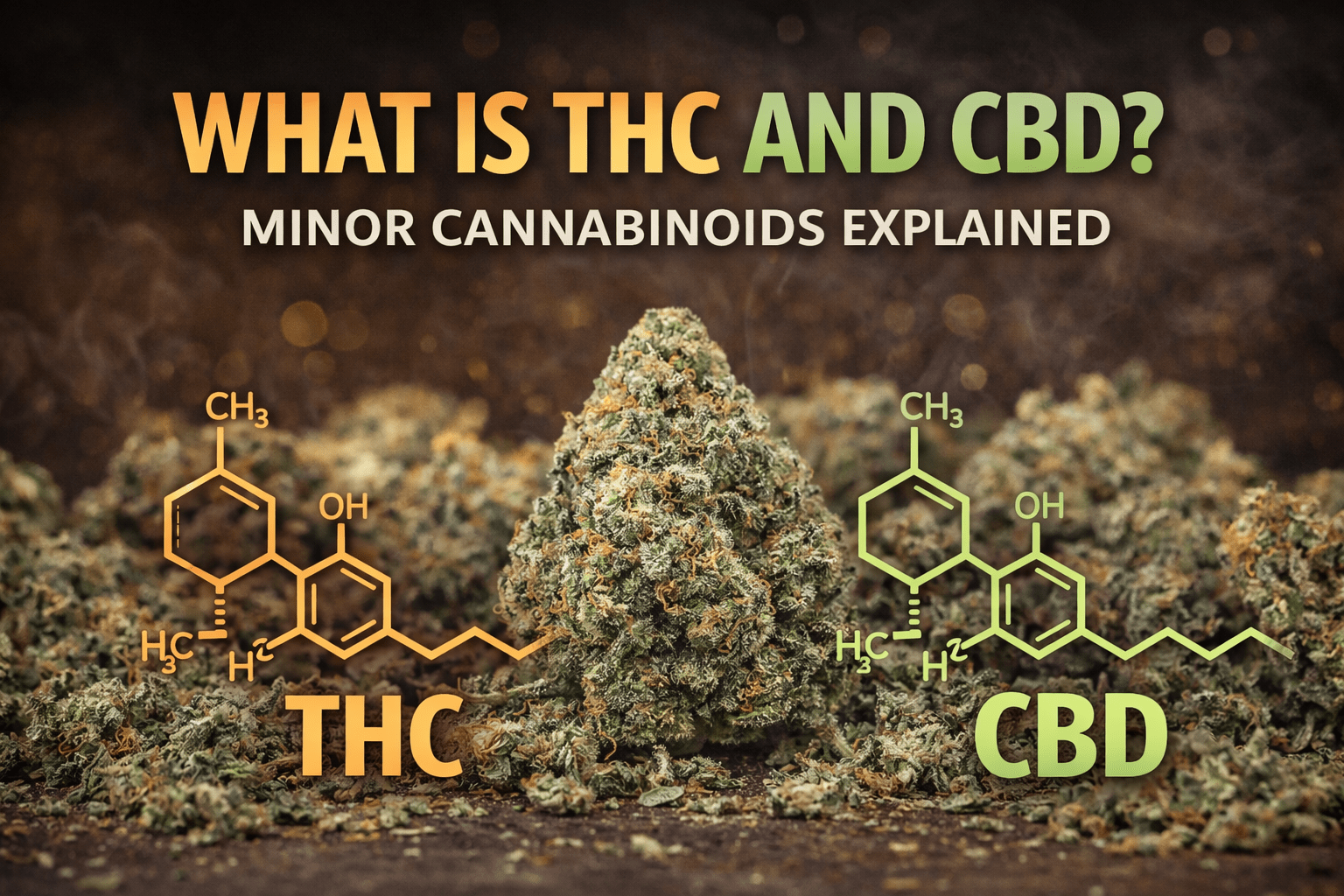
What is the difference between THC and CBD?
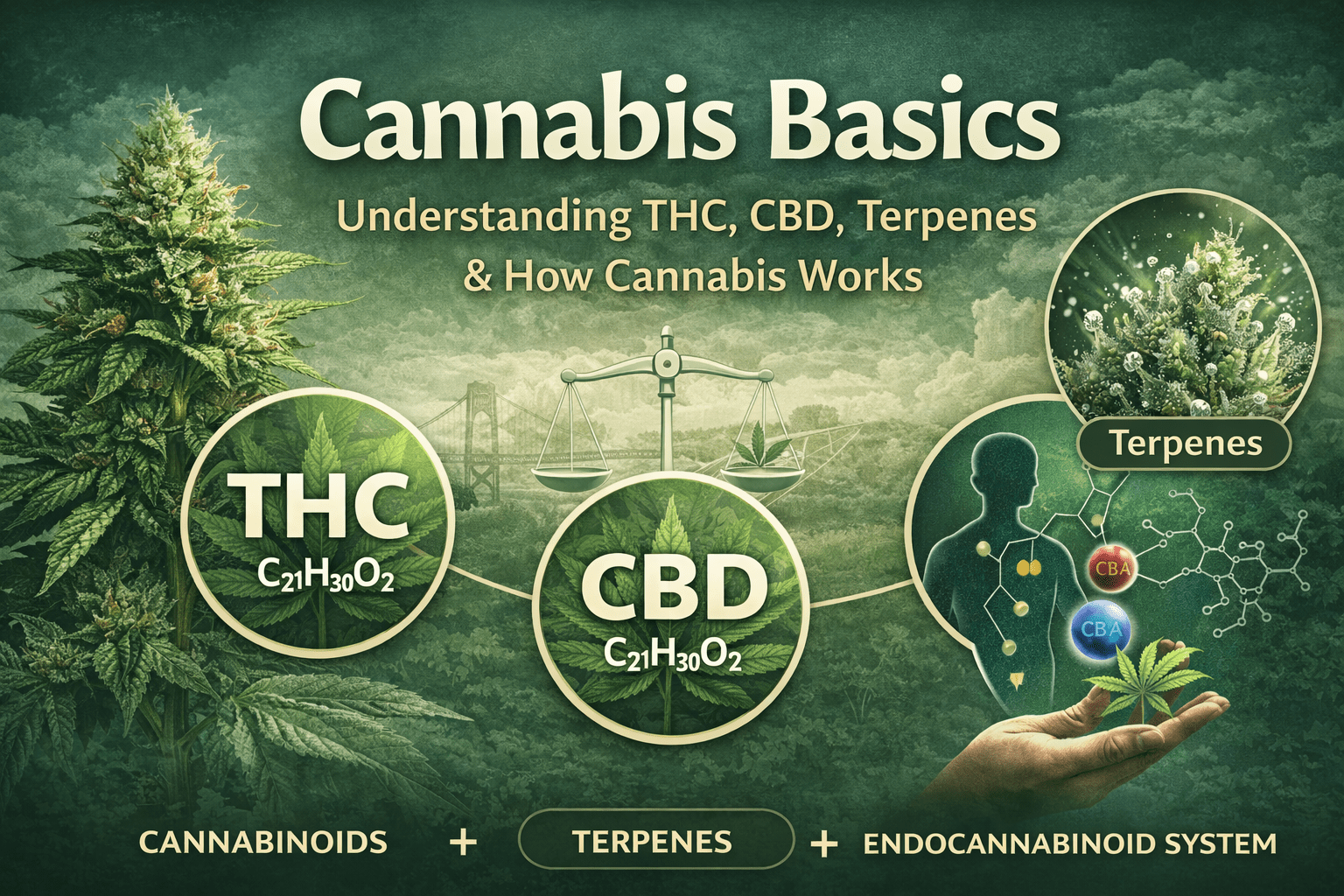
- THC (Tetrahydrocannabinol): The main psychoactive compound that causes a “high” or sense of euphoria.
- CBD (Cannabidiol): A non-psychoactive compound that does not cause a high and is often used to help manage pain, anxiety, and inflammation. [1]
What is the difference between hemp and marijuana?
- Hemp: A variety of the cannabis plant containing low amounts (0.3% or less) of delta-9 THC.
- Marijuana: Varieties of cannabis that contain higher concentrations of delta-9 THC and cause psychoactive effects.
How is cannabis consumed?
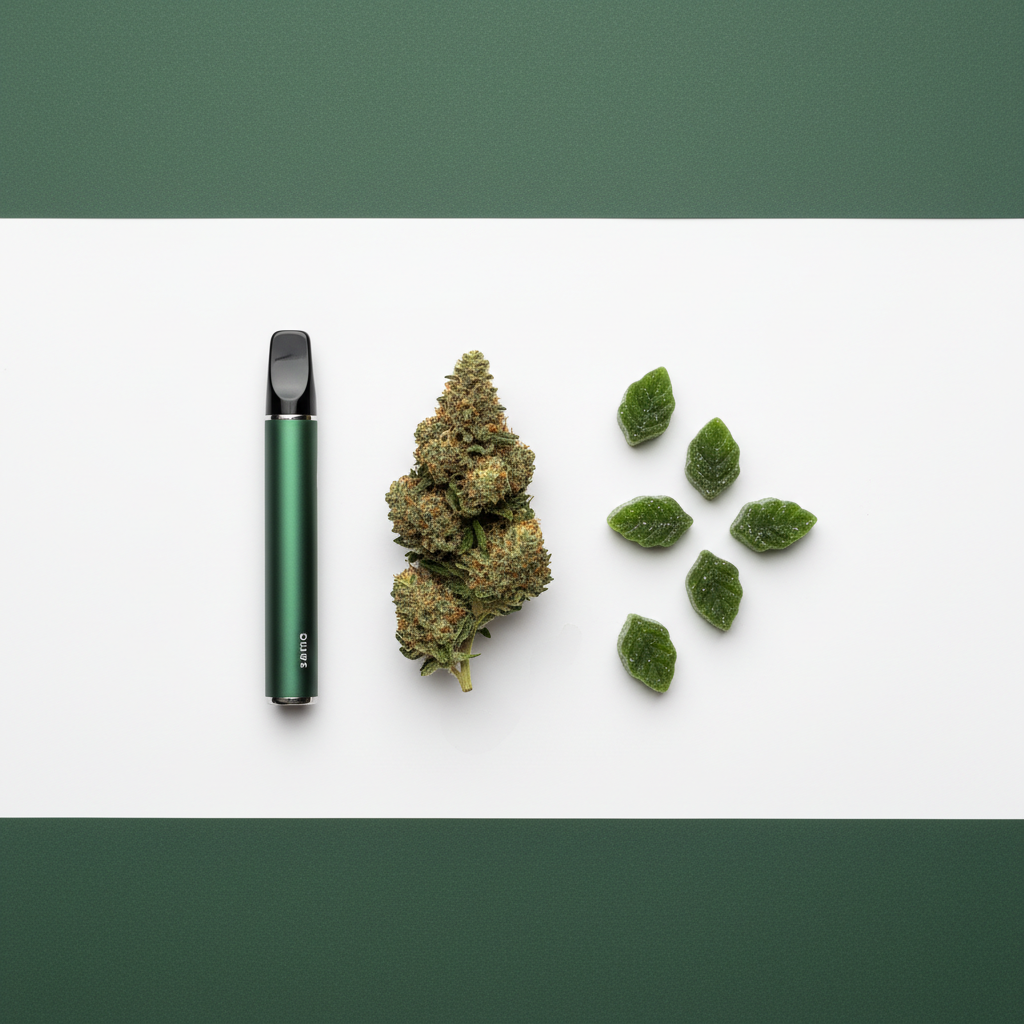
- Inhalation: Smoking via joints, pipes, or bongs, or vaping dried flower or concentrates.
- Edibles: Infusing extracts into foods and drinks, which take longer to work but last longer.
- Sublinguals and Topicals: Placing tinctures under the tongue or applying lotions to the skin.
What is the difference between THC and total THC?
THC describes the active THC already present. Total THC accounts for the additional THC that can become available when THCA is converted through heat.
What is the difference between THC percentage and dose?
Percentage describes concentration. Dose describes how much is consumed.
A high-potency product can be consumed in a small dose. A lower-potency product can produce a large total dose when enough is consumed.
Does a higher THC number mean better cannabis?
No. THC describes only one characteristic. Freshness, cannabinoid balance, aroma, moisture, cultivar, processing and personal preference also matter.
Higher THC can increase the likelihood of unwanted effects, particularly among consumers with limited tolerance.
Is cannabis addictive?
- Dependence: Regular use can lead to physical dependence and addiction.
- Risk rate: Research estimates that about 9 percent of users develop a dependence. [1]
What are the short-term side effects?
- Impairment: Altered perception of time and space, reduced motor coordination, and slowed reaction times.
- Physical signs: Increased heart rate and hunger (the “munchies”).
Is CBD completely non-psychoactive?
CBD is not considered intoxicating in the same way as THC. However, calling it completely inactive is misleading. CBD can affect the body, cause side effects and interact with medications.
Does indica always make you sleepy?
No. Indica is a broad commercial and botanical category, not a guaranteed effect.
Cannabinoid concentration, serving size, terpene profile, tolerance and personal response provide more context than the indica label alone.
Is sativa always energizing?
No. Sativa products are commonly marketed as uplifting, but individual effects vary. A high dose of THC may feel overwhelming or impairing regardless of the category on the package.
What is the strongest form of cannabis?
Many concentrates contain more THC by weight than dried flower. Strength still varies considerably between products.
The label’s total THC value provides better evidence than terms such as wax, shatter, live resin or premium.
What is the difference between live resin and live rosin?
Both generally begin with fresh-frozen cannabis.
Live resin is made through solvent-based extraction. Live rosin is produced through solventless processes, commonly involving ice-water separation followed by heat and pressure.
Are terpenes responsible for the cannabis high?
THC is the primary intoxicating component. Terpenes contribute aroma and flavour and may interact with other compounds, but a terpene profile cannot reliably predict the complete experience.
What does 10 mg of THC mean?
It means the identified portion or package contains 10 milligrams of THC.
The label should indicate whether the 10 mg applies to one piece, one activation or the entire package. That distinction matters.
How much cannabis can an adult possess in Nova Scotia?
An adult may generally possess up to 30 grams of dried cannabis or its equivalent in public. The legal age in Nova Scotia is 19. Medical authorization and certain private-property situations involve separate rules.
A strain name identifies a product, but the label reveals its measurable attributes. Total THC describes potential potency. CBD provides another part of the cannabinoid profile. Terpenes describe aroma. The product format helps explain onset and duration.
Before buying cannabis online in Nova Scotia and compare two cannabis products, check:
- Product format
- Total THC and total CBD
- Amount per unit and package
- Dominant terpenes, when reported
- Intended consumption method
- Lot and packaging information
- Dried-cannabis equivalency
- Required warnings and instructions
No individual term can guarantee an effect. A clear label, an appropriate serving size and an understanding of the consumption method provide a more useful basis for comparison.