


Blog
Can cannabis cause severe vomiting? Learn the symptoms, causes and three stages of cannabinoid hyperemesis syndrome (CHS), including when to seek help.
Why Does Cannabis Cause Vomiting? CHS Symptoms and Causes
Cannabis can cause recurring episodes of severe nausea, abdominal pain and vomiting in some people who use it frequently over long periods. This condition is called cannabinoid hyperemesis syndrome (CHS). It can occur even in people who previously used cannabis without experiencing stomach problems.
CHS is associated most strongly with regular, long-term cannabis exposure. Symptoms often develop gradually before progressing to repeated vomiting episodes that may require hospital treatment. Some people find temporary relief from hot showers, but the condition can return if cannabis use continues.
The Canadian Centre on Substance Use and Addiction (CCSA) identifies sustained cannabis abstinence as central to recovery. Because several medical conditions can produce similar symptoms, recurring vomiting should always be assessed by a healthcare professional.
What Is Cannabinoid Hyperemesis Syndrome (CHS)?
Cannabinoid hyperemesis syndrome is a medical condition involving repeated episodes of severe nausea, vomiting and abdominal discomfort associated with prolonged cannabis use.
The term hyperemesis refers to excessive vomiting. Unlike occasional nausea following cannabis consumption, CHS typically involves recurring episodes that may be separated by periods when a person feels relatively well.
The condition presents an unusual contradiction. Cannabis has recognized anti-nausea effects in certain medical settings, yet repeated exposure can contribute to severe vomiting in susceptible individuals.
According to the American Gastroenterological Association, CHS is most often associated with heavy cannabis consumption over several years, commonly involving daily or near-daily use.
Not everyone who uses cannabis regularly develops CHS. Researchers have not established why certain individuals are more susceptible or exactly how frequently the condition occurs.
Is cannabinoid hyperemesis syndrome becoming more common in Canada?
Canadian hospital records suggest that CHS has become a more significant healthcare concern.
A 2026 study published in the Canadian Journal of Public Health examined hospitalization records associated with CHS between fiscal years 2016–17 and 2024–25.
Researchers identified 7,533 hospitalization records involving CHS, including 114 in Nova Scotia. The national rate, excluding Quebec, increased from 1.5 to 3.8 records per 100,000 residents over the nine-year study period.
Hospitalization rates increased most rapidly during the earlier years and stabilized across several population groups after 2020–21. The highest rates generally occurred among people aged 20 to 24.
These findings do not mean that 7,533 Canadians developed CHS or that most people who consume cannabis will experience it. The study measured hospitalization records, not the total number of people living with the condition.
Read the Canadian hospitalization study.
Why Does Cannabis Cause Vomiting Instead of Relieving Nausea?
Cannabis can both reduce nausea and contribute to vomiting because cannabinoids interact with biological systems that regulate digestion, nausea and neurological signalling.
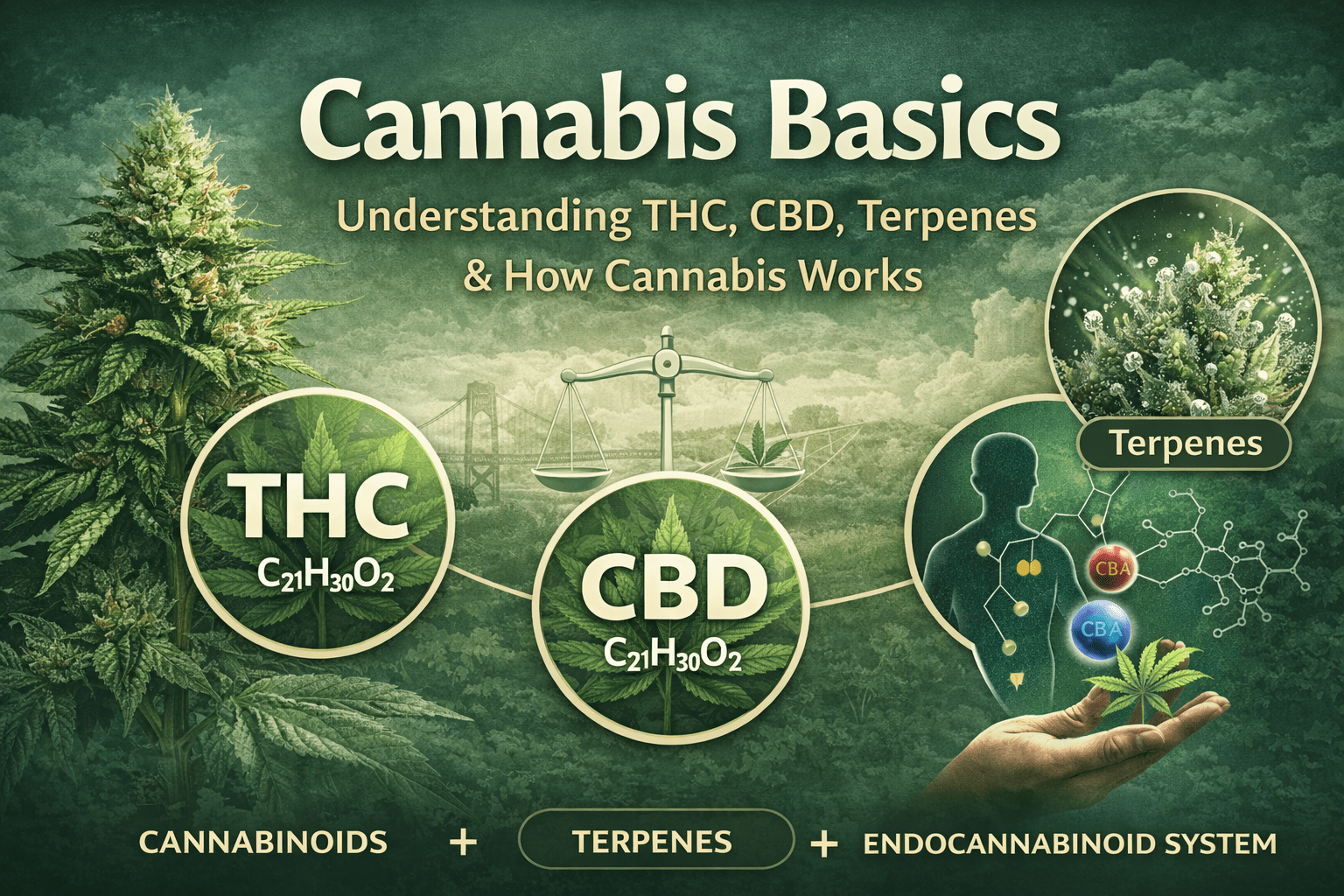
The main psychoactive cannabinoid, tetrahydrocannabinol (THC), acts on cannabinoid receptors, particularly CB1 receptors. These receptors are found throughout the central nervous system and in pathways involved in gastrointestinal function.
Cannabinoid receptors form part of the body’s endocannabinoid system (ECS), which helps regulate several physiological processes, including appetite, pain signalling and gastrointestinal activity.
In certain clinical situations, cannabinoid medicines can reduce nausea. However, researchers believe prolonged cannabinoid exposure may produce changes in these regulatory systems that contribute to CHS.
The exact biological mechanism remains unresolved.
Does frequent THC exposure increase the risk of CHS?
Frequent, prolonged cannabis use is the clearest established exposure pattern associated with CHS.
Researchers are also examining whether higher THC concentrations and more intensive consumption patterns contribute to the condition.
The CCSA’s 2026 briefing identifies frequent cannabis consumption and possible exposure to high-THC products as relevant concerns. However, researchers have not established a specific THC concentration, daily dose or number of years of use that reliably predicts who will develop CHS.
This distinction matters. A person cannot determine whether they are at risk simply by checking a product’s THC percentage.
Nor does choosing a different strain, smoking method or consumption format guarantee protection from CHS.
Can someone develop CHS after using cannabis for years without problems?
Yes. CHS may emerge after a prolonged period of cannabis use during which a person experienced no obvious digestive symptoms.
Many affected individuals have used cannabis regularly for years before developing recurrent nausea or vomiting.
This delayed presentation can make CHS difficult to recognize. Someone who previously used cannabis to relieve nausea may continue using it when symptoms begin, without realizing that ongoing cannabis exposure could be contributing to the problem.
A history of long-term cannabis use does not establish CHS by itself. A healthcare professional must consider the complete symptom pattern and evaluate other possible explanations.
What Are the Early Warning Signs and Symptoms of CHS?
The earliest signs of cannabinoid hyperemesis syndrome are often subtle. A person may experience morning nausea, mild abdominal discomfort or reduced appetite without having a major vomiting episode.
As the condition progresses, nausea may become persistent, and vomiting episodes can become severe.
Commonly reported symptoms include:
- Repeated nausea, particularly in the morning
- Abdominal discomfort or stomach pain
- Recurrent episodes of intense vomiting
- Reduced appetite or difficulty eating
- Dehydration during prolonged vomiting episodes
- Temporary symptom relief from hot showers or baths
- Periods of improvement between episodes
These symptoms are not exclusive to CHS. Gastrointestinal infections, medication reactions, cyclic vomiting syndrome and several other medical conditions can produce similar complaints.
A person’s history of cannabis use can help clinicians identify CHS as a possibility, but medical assessment is necessary to exclude other causes.
Why do hot showers sometimes relieve CHS symptoms?
An unusual feature of CHS is that some people report temporary relief from nausea and abdominal discomfort when taking hot showers or baths.
Researchers have proposed several explanations involving temperature regulation and neurological signalling, but the precise mechanism is not established.
Hot water does not treat the underlying cause of CHS.
Repeated hot showers may also contribute to dehydration, particularly when someone is already losing fluids through frequent vomiting. Hot-water relief is a useful clinical clue, but it is not a reliable diagnostic test.
What Are the Three Stages of Cannabinoid Hyperemesis Syndrome?
CHS is commonly described as progressing through three phases: prodromal, hyperemetic and recovery.
These phases help explain why someone may experience stomach problems for months before having a severe vomiting episode.
1. Prodromal Phase: Early Nausea and Stomach Discomfort
The prodromal phase is the early stage of CHS.
A person may experience morning nausea, occasional abdominal discomfort, reduced appetite or anxiety about vomiting. Actual vomiting may be absent.
These symptoms can continue for months or longer.
Because the discomfort may come and go, some individuals mistake it for an ordinary digestive problem. Others continue using cannabis because they believe it relieves their nausea.
2. Hyperemetic Phase: Repeated Vomiting and Dehydration
The hyperemetic phase involves severe nausea, repeated vomiting and abdominal pain.
During an episode, a person may struggle to keep food or fluids down. This can lead to dehydration, electrolyte disturbances and, in severe cases, kidney injury.
Vomiting episodes can require emergency medical treatment, particularly when dehydration becomes significant.
The American College of Gastroenterology identifies an inability to retain fluids, reduced urination, severe weakness and dizziness as signs requiring prompt medical attention.
Anyone experiencing persistent vomiting should seek medical care rather than assuming CHS is the cause.
3. Recovery Phase: Improvement After Stopping Cannabis
The recovery phase begins as symptoms improve following cannabis cessation.
Nausea and vomiting may gradually resolve, while normal eating patterns and daily activities return.
Recovery varies between individuals and may take days, weeks or longer. Some people experience a prolonged recovery period.
Importantly, symptoms can return if cannabis use resumes.
This recurrence pattern is one reason sustained cannabis abstinence plays such a central role in confirming and managing the condition.
When Does Repeated Vomiting Become a Medical Emergency?
Repeated vomiting can become dangerous when the body loses more fluid and electrolytes than it can replace.
Seek urgent medical attention if vomiting is persistent, you cannot keep fluids down, you are urinating very little, or you develop marked dizziness, weakness or confusion. Severe abdominal pain, blood in vomit, chest pain or difficulty breathing also require prompt assessment.
Nova Scotia Health identifies prolonged vomiting, reduced urination and confusion among important warning signs of dehydration.
For non-emergency health advice in Halifax and elsewhere in Nova Scotia, residents can call 811 to speak with a registered nurse. Call 911 for a medical emergency.
CHS cannot be diagnosed from symptoms alone, and delaying assessment may allow dehydration or another underlying medical condition to worsen.
How Do Doctors Diagnose Cannabinoid Hyperemesis Syndrome?
Doctors diagnose cannabinoid hyperemesis syndrome by examining a person’s symptoms, cannabis use history and response to stopping cannabis. There is no single blood test, urine test or imaging procedure that can independently confirm CHS.
A diagnosis usually begins with questions about recurring vomiting episodes, abdominal pain, cannabis consumption patterns and other possible causes of gastrointestinal illness.
Healthcare professionals may ask how often cannabis is used, how long the person has been using it, whether symptoms improve between episodes and whether hot showers provide temporary relief.
They may also recommend blood tests, urine tests or imaging to investigate dehydration, electrolyte disturbances, pregnancy or other possible medical conditions.
The Rome Foundation’s diagnostic criteria identify three central features of CHS:
- Repeated vomiting episodes resembling cyclic vomiting syndrome.
- Symptoms occurring after prolonged cannabis use.
- Relief of vomiting episodes following sustained cannabis cessation.
The Rome IV framework also describes symptom-duration requirements. However, clinicians can suspect CHS before every formal criterion is established.
A history of cannabis use and vomiting is not sufficient to confirm CHS. Improvement after sustained abstinence provides important evidence, particularly when other medical explanations have been excluded.
Can a blood test or urine test detect CHS?
No. Laboratory testing cannot diagnose cannabinoid hyperemesis syndrome directly.
A urine drug test may detect cannabis exposure, but a positive result does not establish that cannabis caused the vomiting. Similarly, a negative or positive blood test cannot independently distinguish CHS from another digestive disorder.
Doctors may instead use laboratory results to identify dehydration, kidney dysfunction, electrolyte abnormalities or other conditions that require treatment.
A clinician may suspect CHS based on the overall symptom pattern while continuing to investigate other possible causes.
What Is the Difference Between CHS and Cyclic Vomiting Syndrome?
Cannabinoid hyperemesis syndrome and cyclic vomiting syndrome (CVS) both involve recurring episodes of severe nausea and vomiting. The main distinction is that CHS is associated with prolonged cannabis use and improvement after sustained cannabis cessation.
Cyclic vomiting syndrome can occur in people who do not use cannabis. It is also associated with migraine disorders in some patients.
Both conditions may involve periods of relatively normal health between vomiting episodes, abdominal discomfort and temporary relief from hot showers.
This overlap makes diagnosis difficult, especially when someone with cyclic vomiting syndrome also uses cannabis.
CHS vs. Cyclic Vomiting Syndrome: Key Differences
| Feature | Cannabinoid Hyperemesis Syndrome | Cyclic Vomiting Syndrome |
|---|---|---|
| Association with cannabis | Typically follows prolonged, frequent use | Cannabis exposure is not required |
| Vomiting pattern | Recurrent, often severe episodes | Recurrent, stereotypical episodes |
| Abdominal discomfort | Common | Common |
| Hot shower relief | May occur | Can also occur |
| Migraine history | Not a defining feature | May support the diagnosis |
| Response to cannabis cessation | Sustained improvement is a key diagnostic feature | Stopping cannabis is not, by itself, diagnostic |
| Diagnosis | Clinical assessment, exclusion of alternatives and observation after cessation | Clinical criteria and exclusion of other causes |
The distinction matters because the two conditions may require different long-term management.
The 2025 European guideline on chronic nausea and vomiting recommends obtaining a complete cannabis use history when evaluating suspected cyclic vomiting syndrome.
Could recurring vomiting be caused by something other than CHS?
Yes. Repeated vomiting can result from gastrointestinal infections, medication reactions, gastroparesis, metabolic disorders and other medical conditions.
Pregnancy-related vomiting, including hyperemesis gravidarum, is another important consideration. Severe abdominal pain can also indicate an urgent condition unrelated to cannabis.
A healthcare professional must assess the symptoms and decide which investigations are appropriate.
People experiencing severe or persistent vomiting should not assume they have CHS simply because they consume cannabis.
Can Cannabis Edibles, Vapes or CBD Products Cause CHS?
CHS is associated primarily with prolonged and frequent cannabis exposure, particularly cannabis containing THC. Research has not established a reliable risk threshold for every product type or consumption method.
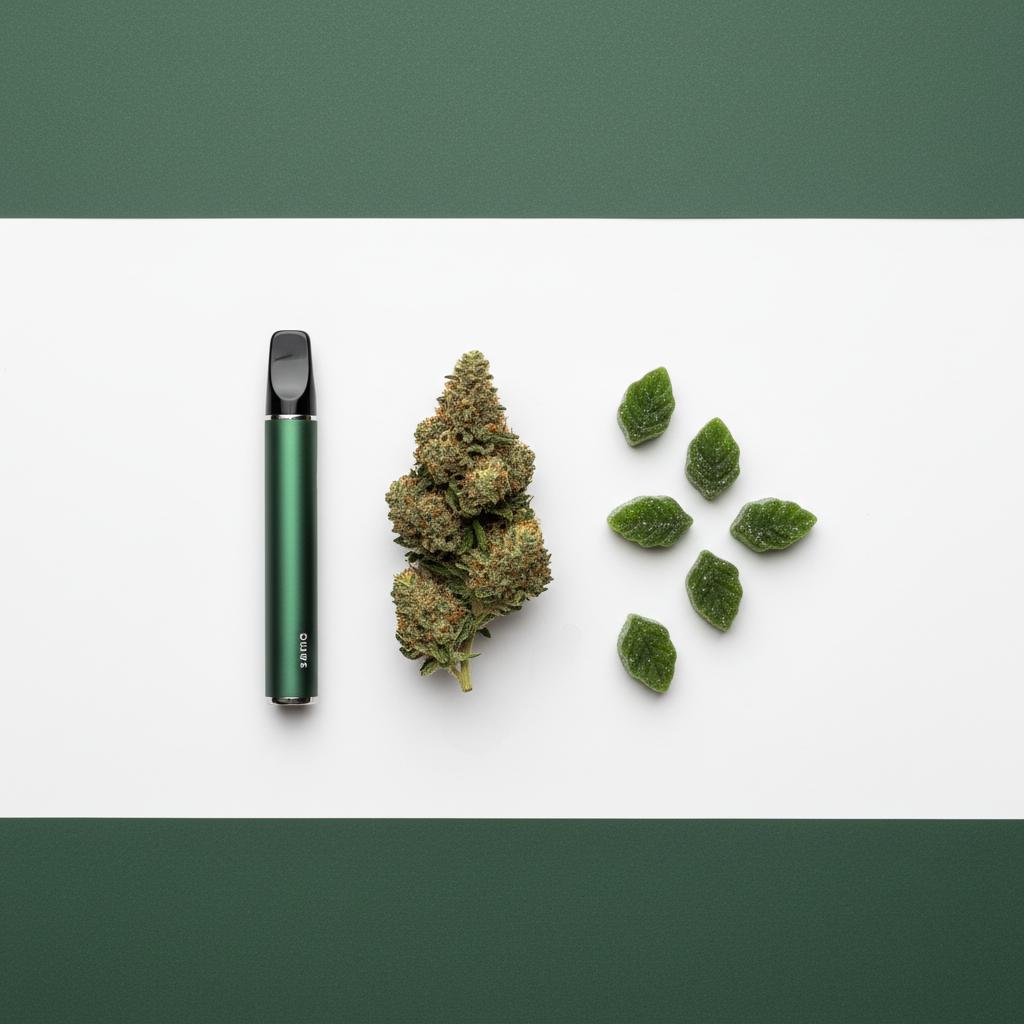
Although many reported cases involve people who smoke cannabis, THC exposure can also occur through vaping, edibles, oils and concentrates.
Changing how cannabis is consumed does not establish that the risk of CHS has been eliminated.
Can cannabis edibles cause cannabinoid hyperemesis syndrome?
Edibles containing THC can contribute to ongoing cannabinoid exposure. Their effects take longer to begin and generally last longer than those of inhaled cannabis.
However, researchers have not established that edibles independently cause CHS more often than smoking or vaping when differences in THC exposure and consumption frequency are taken into account.
The important clinical consideration is the person’s overall pattern of cannabis use rather than the product format alone.
Does switching to CBD prevent CHS?
There is insufficient clinical evidence to establish that switching from THC-containing cannabis to CBD products prevents CHS or is a safe treatment for someone with the condition.
CBD has different pharmacological properties from THC, but that does not make it a proven treatment for cannabis-associated vomiting.
Some CBD products may also contain THC, depending on their composition.
For someone with suspected or confirmed CHS, the recommended approach is sustained cannabis abstinence rather than replacing one cannabinoid product with another.
What Treatments Are Available for Cannabinoid Hyperemesis Syndrome?
Treatment for cannabinoid hyperemesis syndrome has two separate goals: managing an acute vomiting episode and preventing future episodes.
During an acute episode, medical care focuses on dehydration, nausea, vomiting, abdominal pain and possible complications. Long-term management focuses on stopping cannabis exposure.
The Royal College of Emergency Medicine recommends considering CHS in patients with recurring vomiting and a history of cannabis use. Its guidance also recognizes that ordinary anti-nausea medicines may not always control CHS symptoms effectively.
How Do Hospitals Treat Severe CHS Episodes?
People with severe vomiting may require emergency department assessment and treatment.
Depending on their condition, clinicians may provide:
- Intravenous fluids to correct dehydration.
- Blood tests and treatment for electrolyte disturbances.
- Medication to relieve nausea and vomiting.
- Monitoring of kidney function and other complications.
- Further investigations when another medical condition is possible.
Some emergency department guidelines conditionally recommend medications such as haloperidol or droperidol for severe CHS symptoms. Topical capsaicin has also been studied as a possible short-term treatment.
These interventions have important limitations. The research evidence remains relatively weak, and medications can have adverse effects or contraindications.
Haloperidol and droperidol, for example, require clinical consideration of potential heart-rhythm effects and other safety risks.
The Society for Academic Emergency Medicine’s GRACE-4 guideline supports their consideration in selected adult emergency department patients but rates the certainty of evidence as very low.
These treatments belong under professional medical supervision. They are not substitutes for cannabis cessation.
Does capsaicin cream help with CHS vomiting?
Topical capsaicin has been investigated for temporary relief of CHS symptoms.
Capsaicin activates TRPV1 receptors, which are involved in sensing heat and other physiological signals. This has led researchers to explore whether capsaicin might help explain some of the relief associated with hot showers.
A limited number of clinical studies suggest topical capsaicin may help selected patients, but results are inconsistent and the evidence remains insufficient to establish a definitive treatment.
Capsaicin can cause burning and skin irritation. It should not be applied to sensitive areas or used as a home substitute for emergency medical care.
Can CHS be cured without stopping cannabis?
There is no established medication that reliably prevents CHS from returning while cannabis use continues.
Temporary relief from anti-nausea medication, intravenous fluids, hot showers or other interventions does not address the underlying association with cannabis exposure.
The most effective established long-term treatment is sustained cannabis cessation.
People who find it difficult to stop using cannabis can seek medical and behavioural support. This is particularly relevant when cannabis dependence or cannabis use disorder is present.
How Long Does It Take to Recover From CHS?
CHS recovery varies. Some people begin to feel better within days of stopping cannabis, while complete improvement may take weeks or months.
The recovery period depends on several factors, including the severity of the vomiting episode, complications such as dehydration, individual health circumstances and whether cannabis use has stopped completely.
The Canadian Centre on Substance Use and Addiction’s January 2026 briefing notes that symptom resolution can take weeks to months following sustained abstinence.
There is no universally reliable number of days after which everyone with CHS will be symptom-free.
Can CHS symptoms continue after quitting cannabis?
Yes. Nausea or abdominal discomfort may persist during early recovery, and a person’s symptoms may not disappear immediately after stopping cannabis.
This can complicate diagnosis because cannabis withdrawal may also cause appetite changes, nausea, sleep disturbances, irritability and anxiety.
However, persistent or worsening vomiting should not automatically be attributed to CHS or withdrawal.
Continued symptoms warrant medical reassessment, especially when someone cannot eat, drink or maintain normal hydration.
Can cannabinoid hyperemesis syndrome return after recovery?
Yes. CHS symptoms can recur when cannabis use resumes after a period of recovery.
A person may feel well for weeks or months after stopping cannabis and then experience another vomiting episode following renewed use.
Researchers have not established a reliably safe level of resumed cannabis consumption for someone who has experienced CHS.
Using cannabis less frequently, selecting a lower-THC strain or changing consumption methods cannot be relied upon to prevent recurrence.
For people with a confirmed diagnosis, continued abstinence offers the clearest approach to preventing another episode.
Where Can People in Halifax Get Help With CHS or Cannabis Dependence?
People in Halifax who experience recurrent vomiting associated with cannabis use should seek assessment from a healthcare professional.
A family doctor, nurse practitioner, walk-in clinic or emergency department can help determine whether symptoms may be related to CHS or another medical condition.
For non-emergency health advice, Nova Scotia residents can call 811 to speak with a registered nurse.
Individuals who need support reducing or stopping cannabis use can contact Nova Scotia Mental Health and Addictions Services at 1-855-922-1122.
The service provides access to assessment, counselling and addiction-related supports across the province.
People experiencing severe dehydration, confusion, fainting, significant abdominal pain or an inability to keep fluids down should seek urgent medical care. Call 911 in a medical emergency.

Frequently Asked Questions About Cannabinoid Hyperemesis Syndrome
Can you develop CHS if you only use cannabis occasionally?
CHS is most strongly associated with prolonged, frequent cannabis use, often daily or near-daily consumption. It is much less characteristic of occasional use. Researchers have not established a precise exposure threshold, and vomiting in someone who uses cannabis occasionally should not automatically be diagnosed as CHS.
Is CHS permanent?
CHS is not necessarily permanent. Symptoms typically improve following sustained cannabis abstinence. However, the condition can recur if cannabis use resumes. Recovery varies, and some people require weeks or months before symptoms fully resolve.
Is CHS caused by THC or CBD?
THC-containing cannabis is the main exposure associated with CHS in clinical research. The syndrome’s precise biological mechanism remains uncertain, and researchers have not established the independent contribution of every cannabinoid. CBD should not be considered a proven alternative or treatment for CHS.
Does everyone with CHS take hot showers?
No. Hot bathing is a frequently reported feature, but it is not present in every case and is not unique to CHS. The absence of hot-shower relief does not rule out the condition, while experiencing relief does not confirm it.
Can CHS cause kidney damage?
Yes. Severe or prolonged vomiting can cause dehydration and electrolyte disturbances. In serious cases, reduced fluid volume can contribute to acute kidney injury. This is one reason persistent vomiting requires prompt medical assessment.
Is CHS the same as cannabis withdrawal?
No. CHS generally develops in association with prolonged cannabis exposure and is characterized by recurrent vomiting. Cannabis withdrawal occurs after reducing or stopping regular cannabis use and commonly involves irritability, sleep disturbance, anxiety and appetite changes. Symptoms can overlap, so clinicians assess their timing and pattern.
Can you get CHS from using cannabis once?
A single cannabis exposure does not fit the typical clinical definition of CHS, which involves prolonged use. Acute nausea or vomiting after one exposure can occur for other reasons and should not automatically be labelled cannabinoid hyperemesis syndrome.
Should someone with CHS use cannabis to relieve nausea?
No. Although cannabis can reduce nausea in some medical circumstances, continued cannabis exposure may perpetuate CHS or contribute to recurrence. People with suspected CHS should seek medical advice and avoid using additional cannabis as a self-treatment for vomiting.
Final Thoughts: Why Recognizing CHS Matters
Cannabinoid hyperemesis syndrome illustrates an important distinction between the short-term effects of cannabis and the consequences of prolonged exposure.
Cannabinoids can influence nausea and gastrointestinal function, but repeated cannabis use can also be associated with a condition involving severe and recurring vomiting.
Recognizing the pattern matters because the symptoms can resemble several other digestive disorders. Medical assessment helps identify complications, investigate alternative causes and determine whether CHS is likely.
For people diagnosed with CHS, sustained cannabis cessation remains the most important long-term intervention. Medical treatment can manage acute symptoms, but it does not eliminate the risk of recurrence if cannabis use continues.
Understanding these limitations helps readers distinguish established medical evidence from claims that remain uncertain.